New Doors · Brantford
Commercial Sectional Door Repair
The operator runs and the drive chain moves, yet the sectional door hesitates near the floor.
In plain words
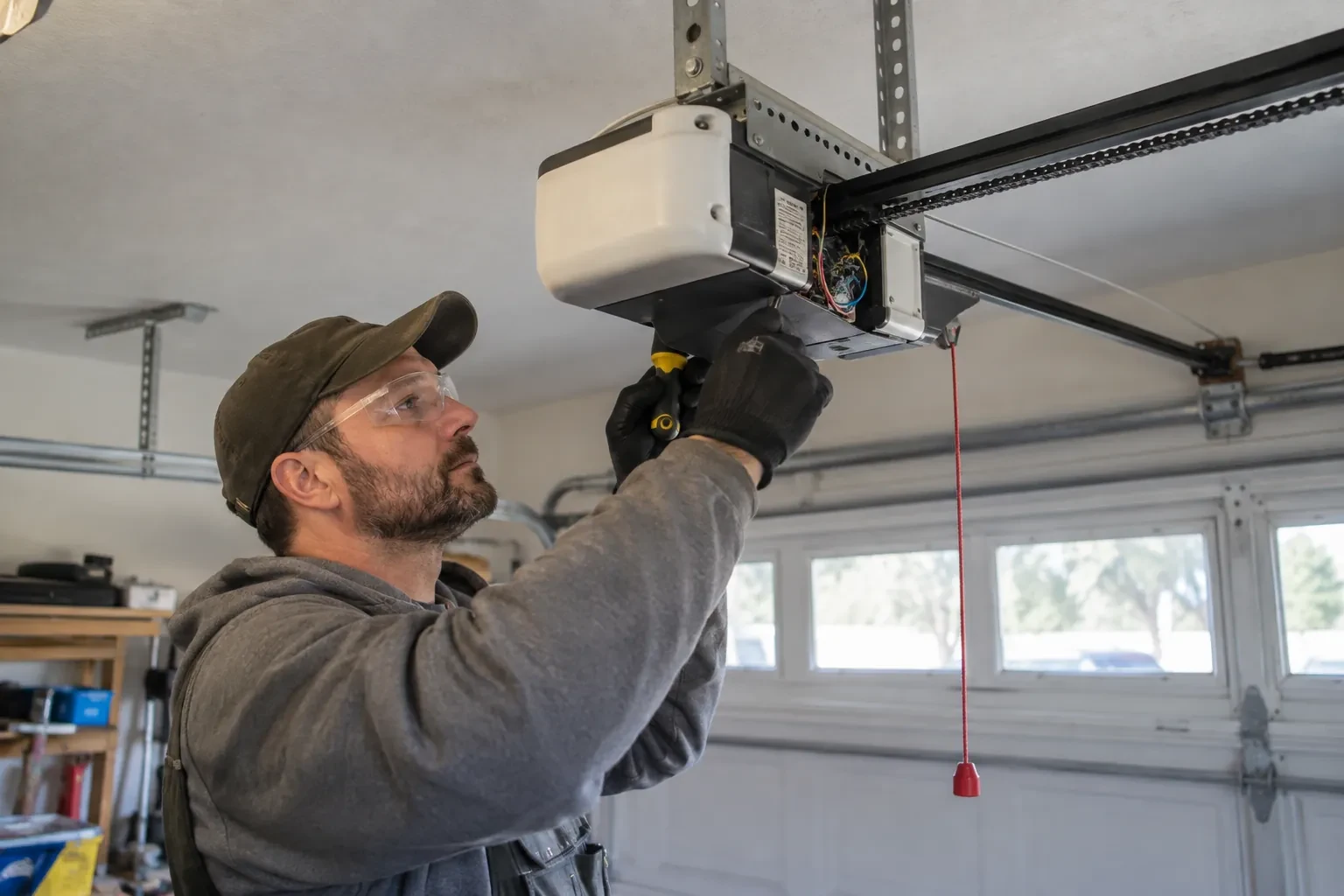
Commercial sectional door repair addresses the connected parts that guide, balance, seal and power a hinged overhead door. The visit begins by securing the opening and identifying whether the trouble started with impact, wear, corrosion, alignment or the operator. Sections, track, hinges, rollers, cables, springs, drums and controls are then checked as a complete system. Compatible parts are fitted, geometry and balance are restored, and the assembly is cycled through its working range so the bay returns to predictable operation.
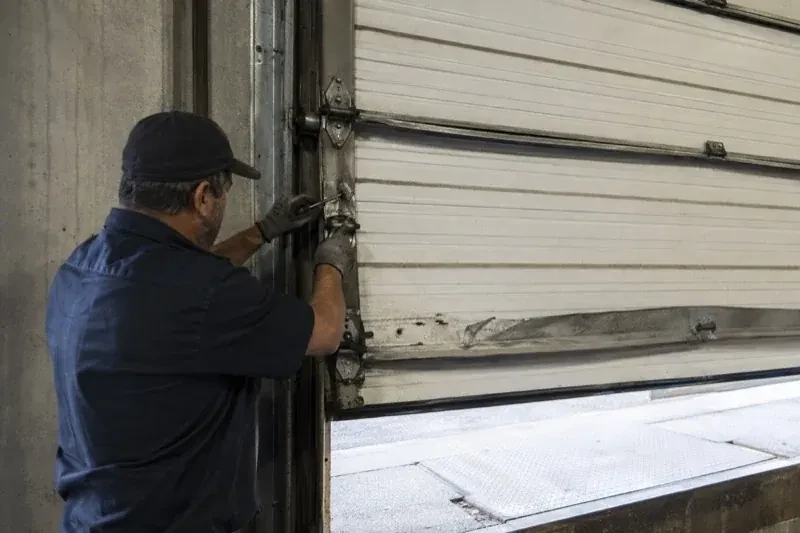
How the visit goesOne busy service-bay door has become louder than the matching doors beside it. Its hinges show movement at the fasteners, several rollers have side play, and the operator vibrates through the supporting structure.
Commercial Sectional Door Repair
How the visit goes
Inspecting the closed opening
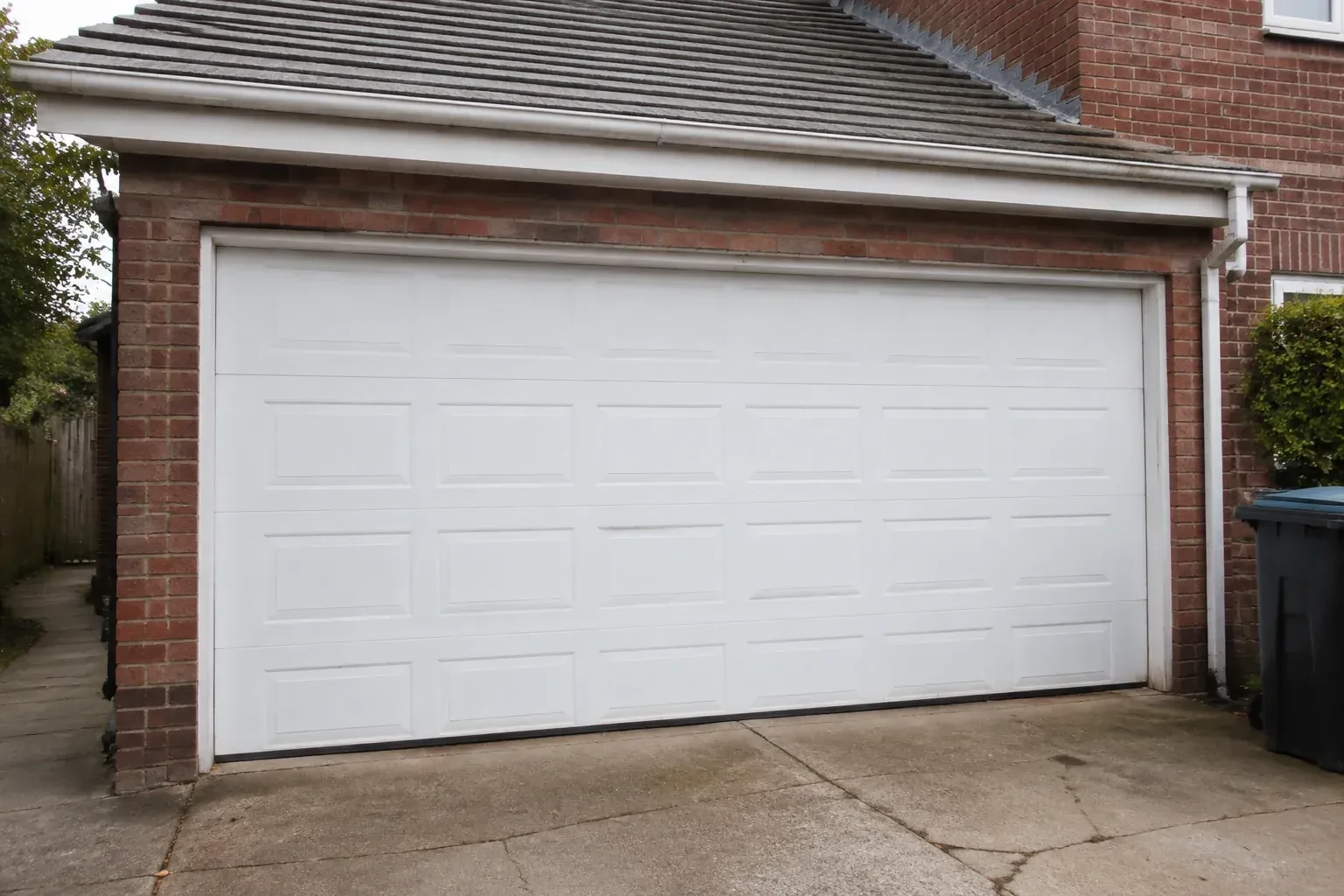
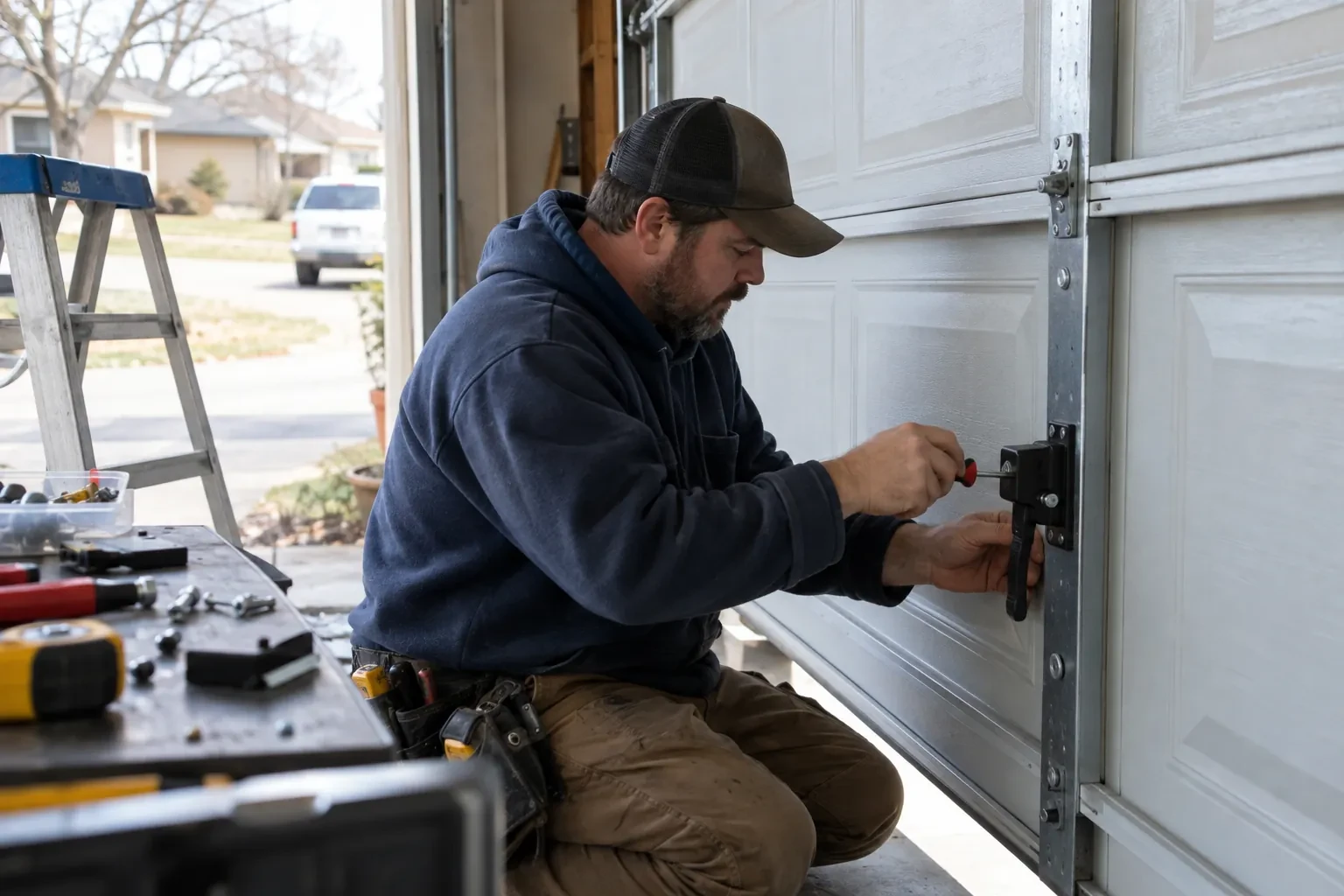
A door that leaks air or admits slush is examined in its fully seated position. The technician compares the bottom edge with the floor, checks compression along the seal and looks for a bent retainer or distorted lower section. Side and header weatherstrip contact is observed without forcing the sections against the jambs. Light gaps can also reveal a door that is out of level or a track set too far from the opening. The assessment connects seal condition with landing position so the repair improves fit without creating binding during travel.
Renewing hinges and rollers
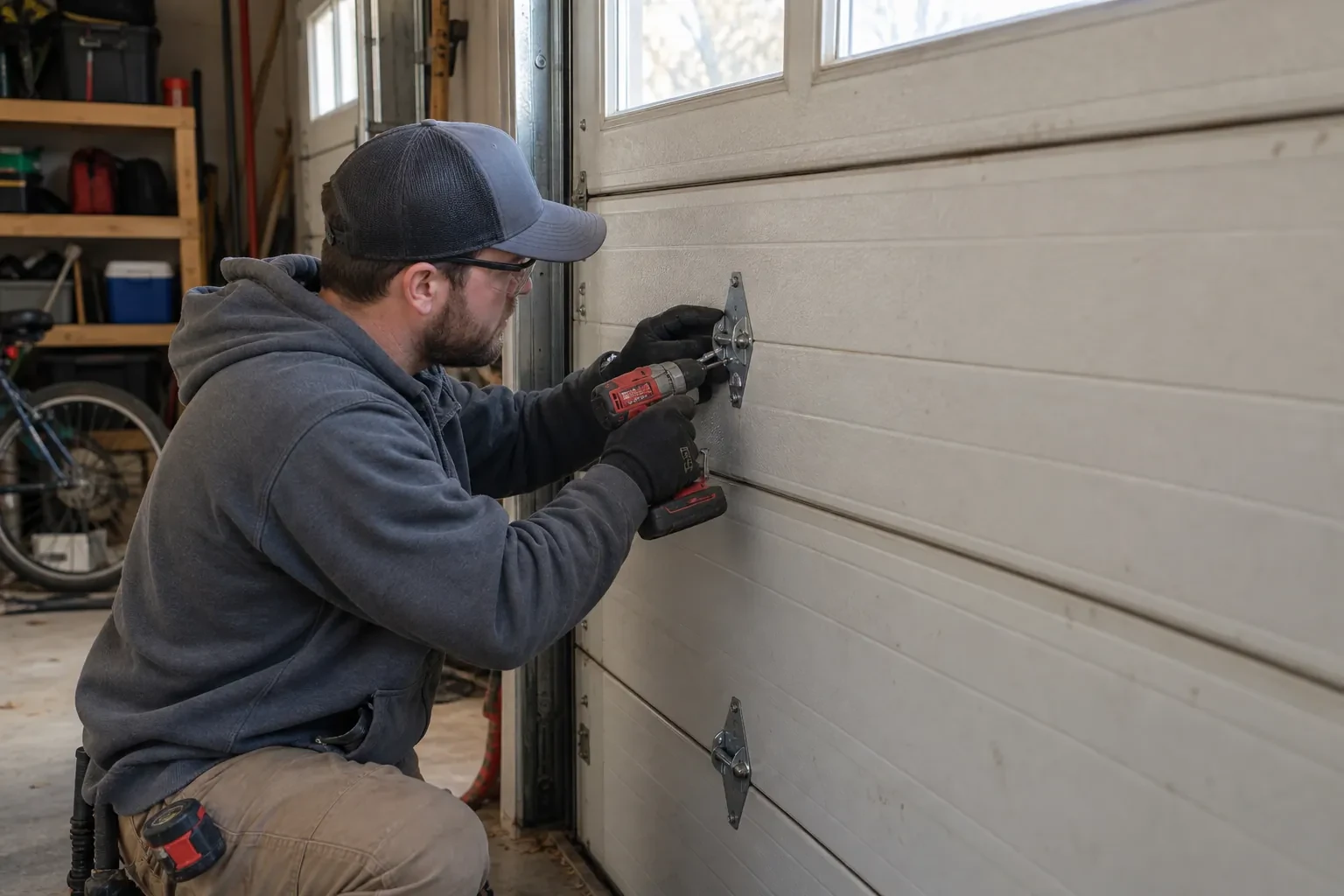
Worn running hardware is replaced in its correct sequence rather than mixed between positions. Numbered end hinges maintain the changing roller offset that guides stacked sections around the track curve, while centre hinges keep adjoining panels connected across the width. Roller stem length, diameter and bearing type are matched to the track and door duty. Each mounting area is checked for enlarged holes or cracked stile material before new fasteners are installed. With side play reduced and alignment restored, the sections articulate smoothly instead of knocking or twisting through the bend.
A repaired section that works with its neighbours
A replacement panel leaves the door with continuous joints, secure hinges and reinforcement suited to the opening. Colour and surface texture may show normal differences between new and weathered material, while the functional check focuses on articulation, roller clearance and even contact at the seals. Washing the exterior with products allowed by the door manufacturer helps protect the finish. Future impact marks near an end stile or bottom fixture deserve early attention because these areas connect the panel to the guidance and lifting systems.
Commercial Sectional Door Repair
In the van
Numbered end hinges
Shafts and bearings
Track brackets and back hangs
Bottom seal and retainer
Vertical and horizontal track
Commercial Sectional Door Repair
What affects the quote
Track support condition
Loose back hangs, shifted brackets, damaged splices or weak anchors add alignment and support work beyond replacing the visibly bent length of track.
Corrosion and seized fasteners
Moisture and salt can affect cables, brackets, retainers, rollers and connections, broadening the repair when hardware cannot be removed or reused cleanly.
Access to overhead hardware
Ceiling height, loading equipment, storage, piping and the location of shafts or high-lift track influence the access equipment and work-zone setup required.
What to have ready
- Was there a vehicle, forklift or load impact?
- Do you have the model, serial number and service record?
- Is the door closed, open or stopped between positions?
Commercial Sectional Door Repair: questions
QuestionsDoes fire-rated status affect sectional door repair?
It can. If the opening is part of a required fire separation, its label, approved assembly, release equipment and building fire-safety documentation shape what components and procedures are appropriate. Share any door labels or inspection records before work begins. The repair can then preserve the intended closure function and align with the property's applicable fire-safety responsibilities.
What if the door is stuck partly open?
The opening is kept clear and the door is stabilized in its current position before diagnosis. A cable may be displaced, a roller may have left the track, a spring may have failed or the operator may be holding the load. Support and controlled energy handling come before any attempt to move or dismantle the affected assembly.
Does a torn bottom seal always mean a seal-only repair?
Not always. The rubber may simply be worn, but a bent retainer, uneven floor, crooked door or impact-damaged bottom section can produce the same gap. The technician checks how the door lands before replacing material. Correcting level or retainer shape first allows the new seal to contact evenly without being stretched to compensate for another fault.
Related services
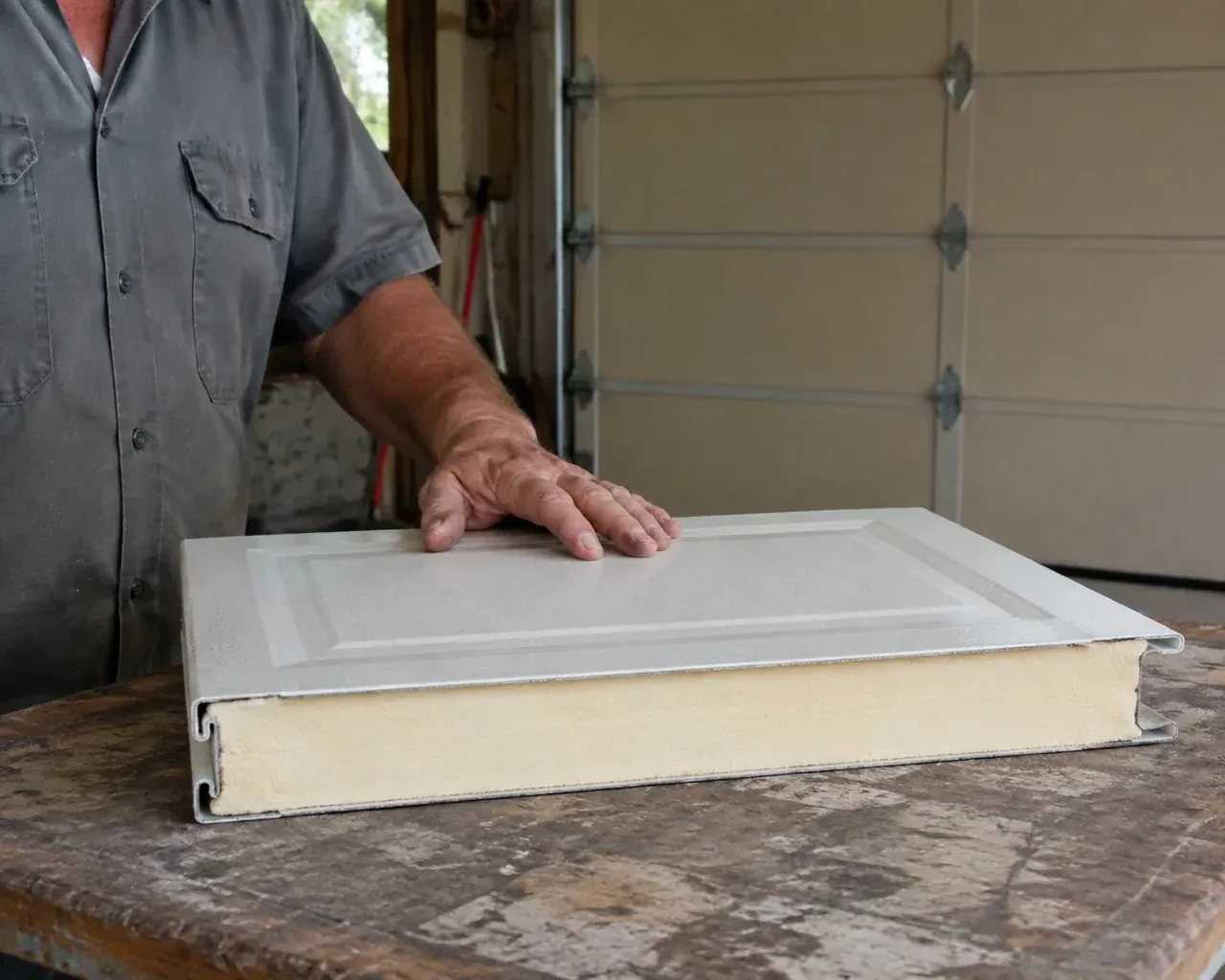
- Insulated Steel Garage Door InstallationDaylight appears beside the closed door and powdery snow collects just inside after windy weather.
- Wind-Rated Garage Door ReplacementYour renovation drawings call for a garage door with a stated design pressure, yet the existing door has no readable label or installation record.
- Carriage-House Garage Door InstallationTwo garage openings sit side by side, and small differences in window spacing or decorative hardware would be obvious.