Garage Doors in Echo Place, OntarioHeavy door.Steady hands.
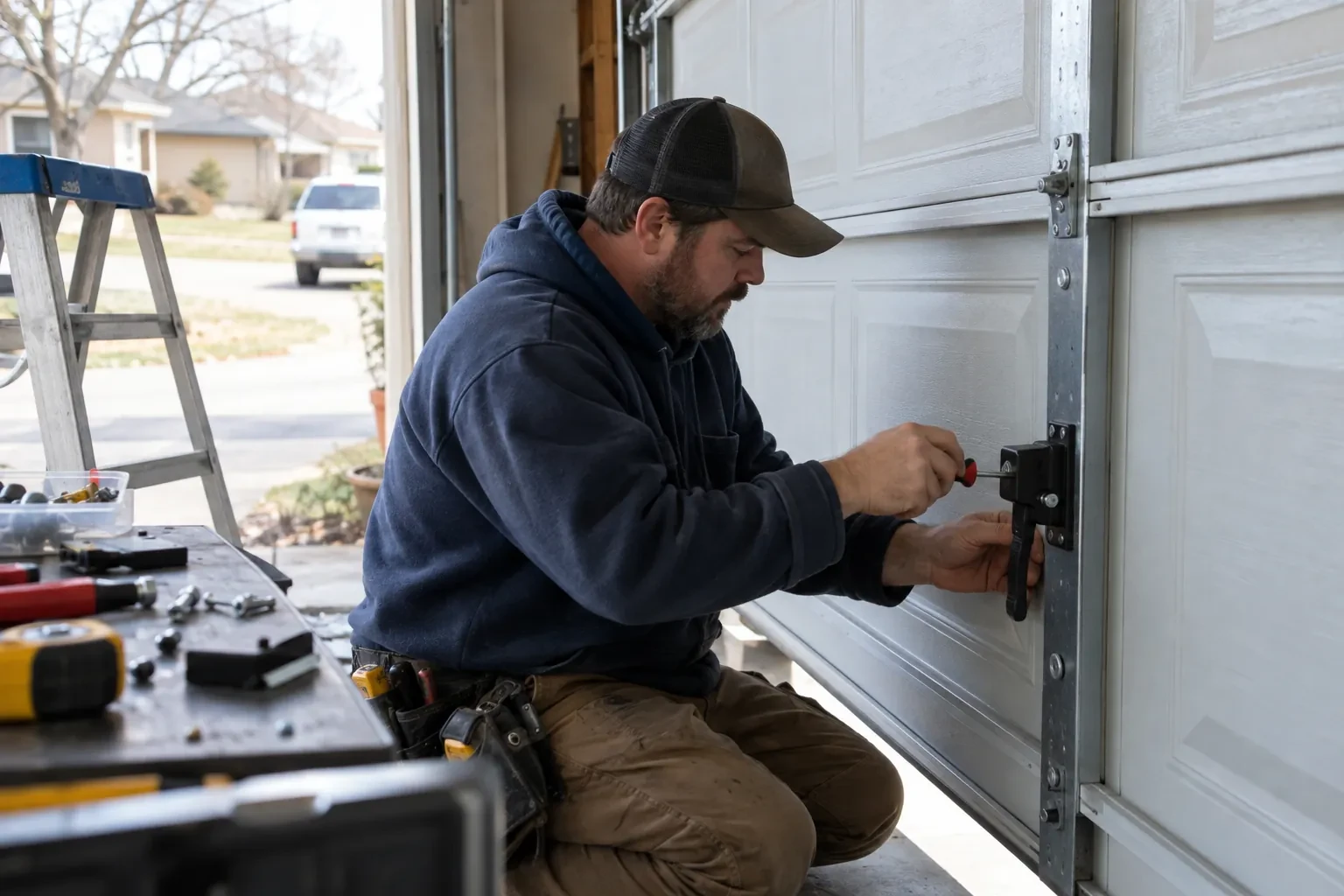
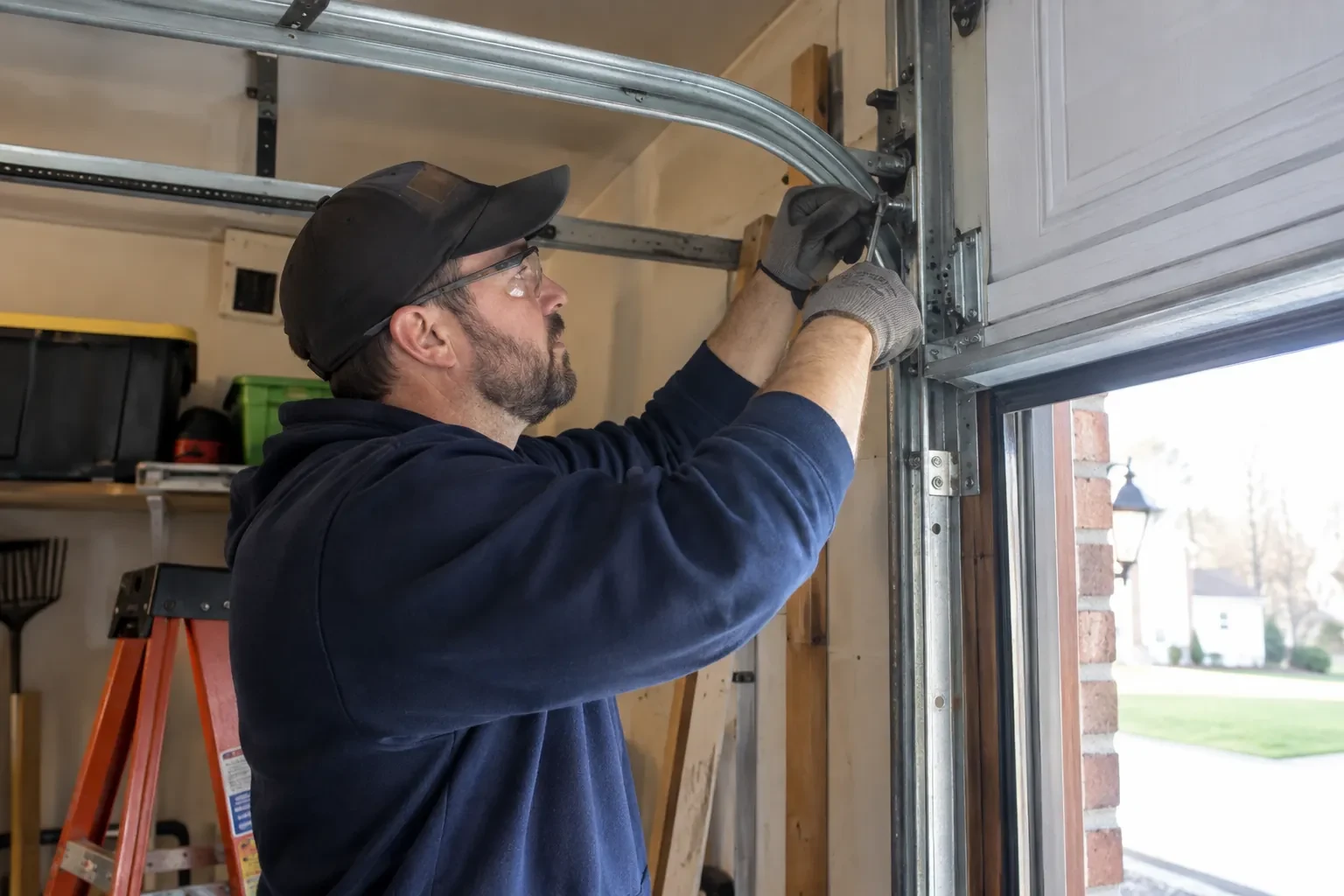
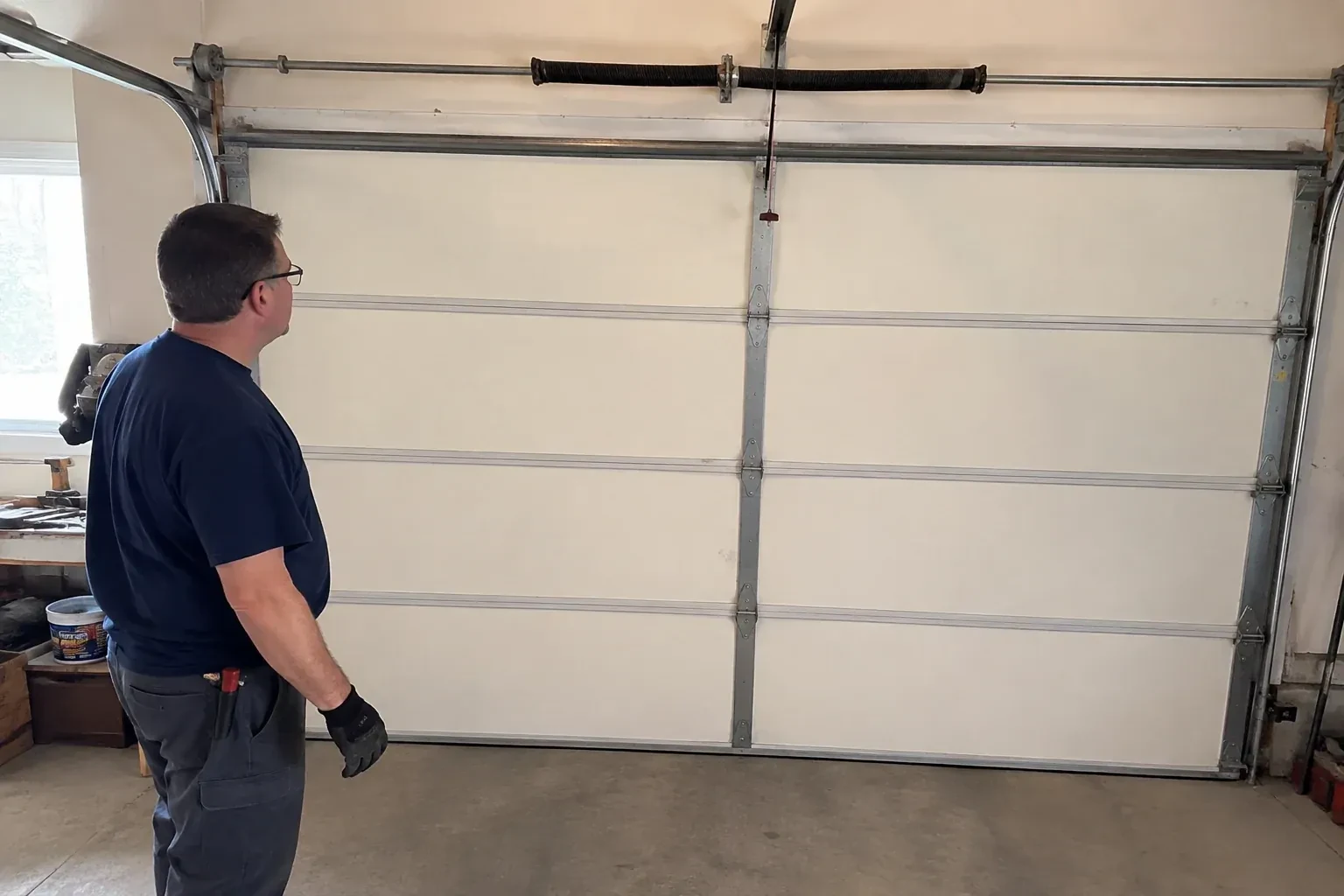
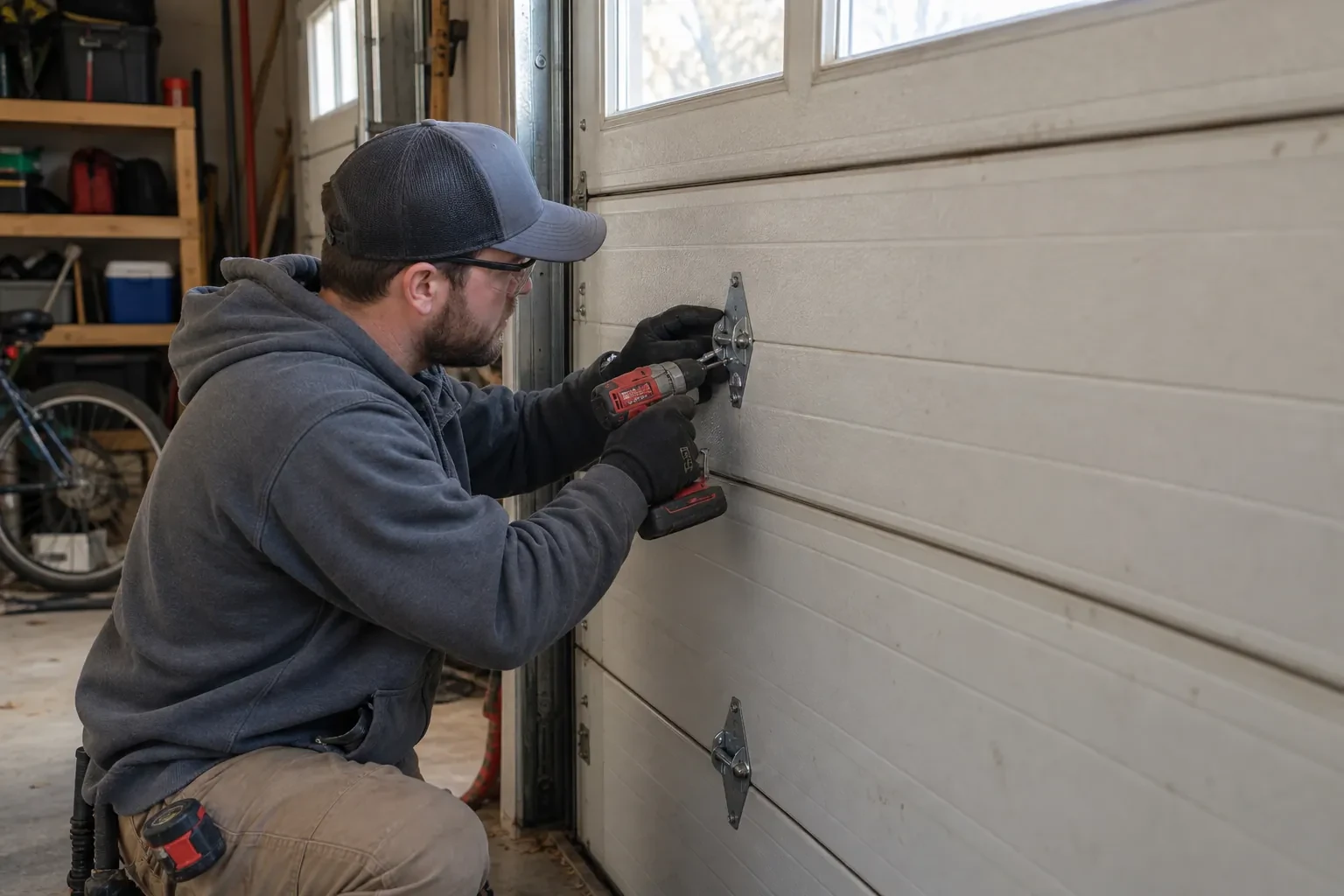
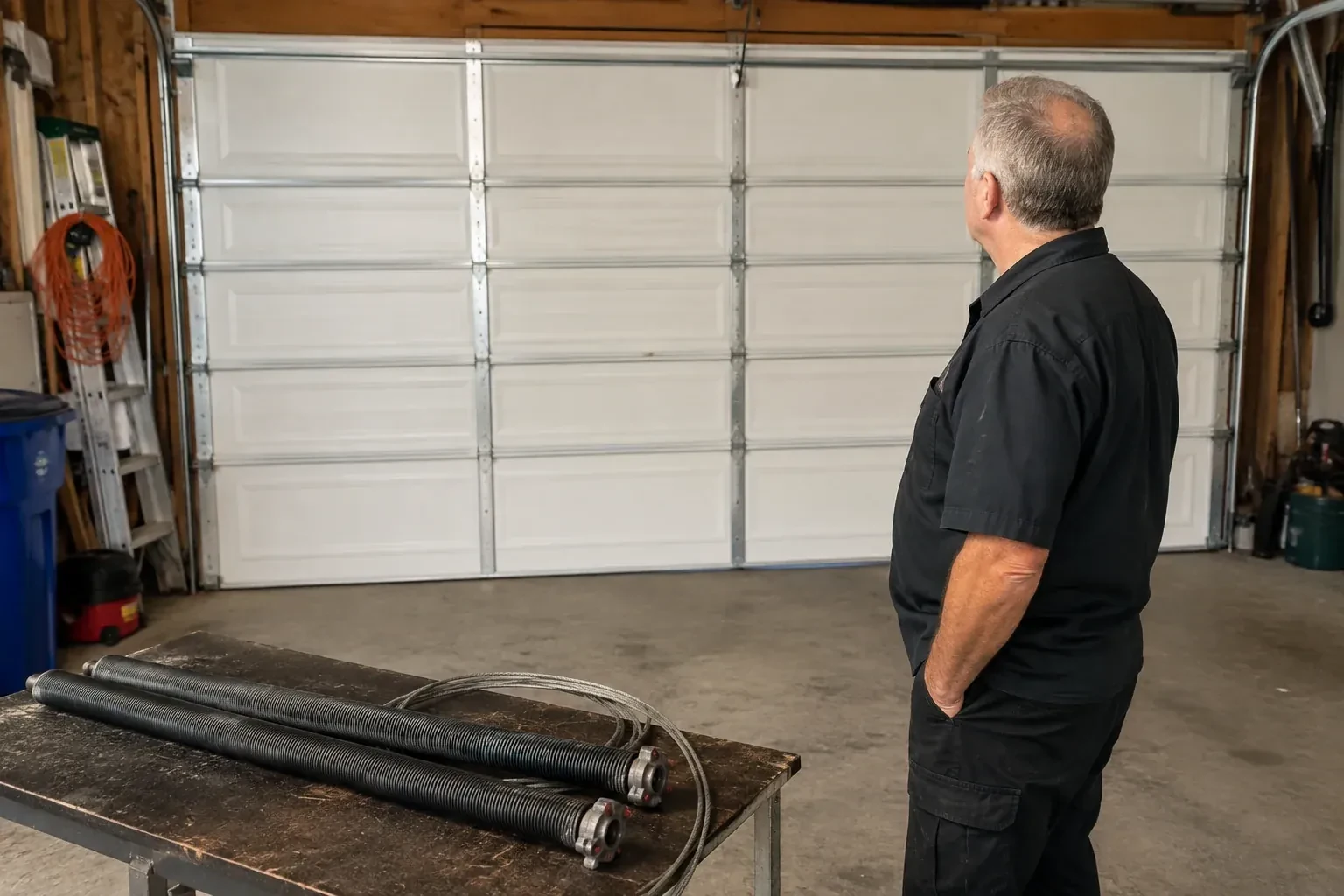
A residential garage door can weigh as much as two grown adults, and the springs above it are wound to carry exactly that load. Our technicians in Echo Place work with winding bars, clamps and stands, secure the door before touching tension, and run it through full cycles before they call the job finished.
A residential garage door can weigh as much as two grown adults, and the springs above it are wound to carry exactly that load. Our technicians in Echo Place work with winding bars, clamps and stands, secure the door before touching tension, and run it through full cycles before they call the job finished.
Honest advice, steady hands.
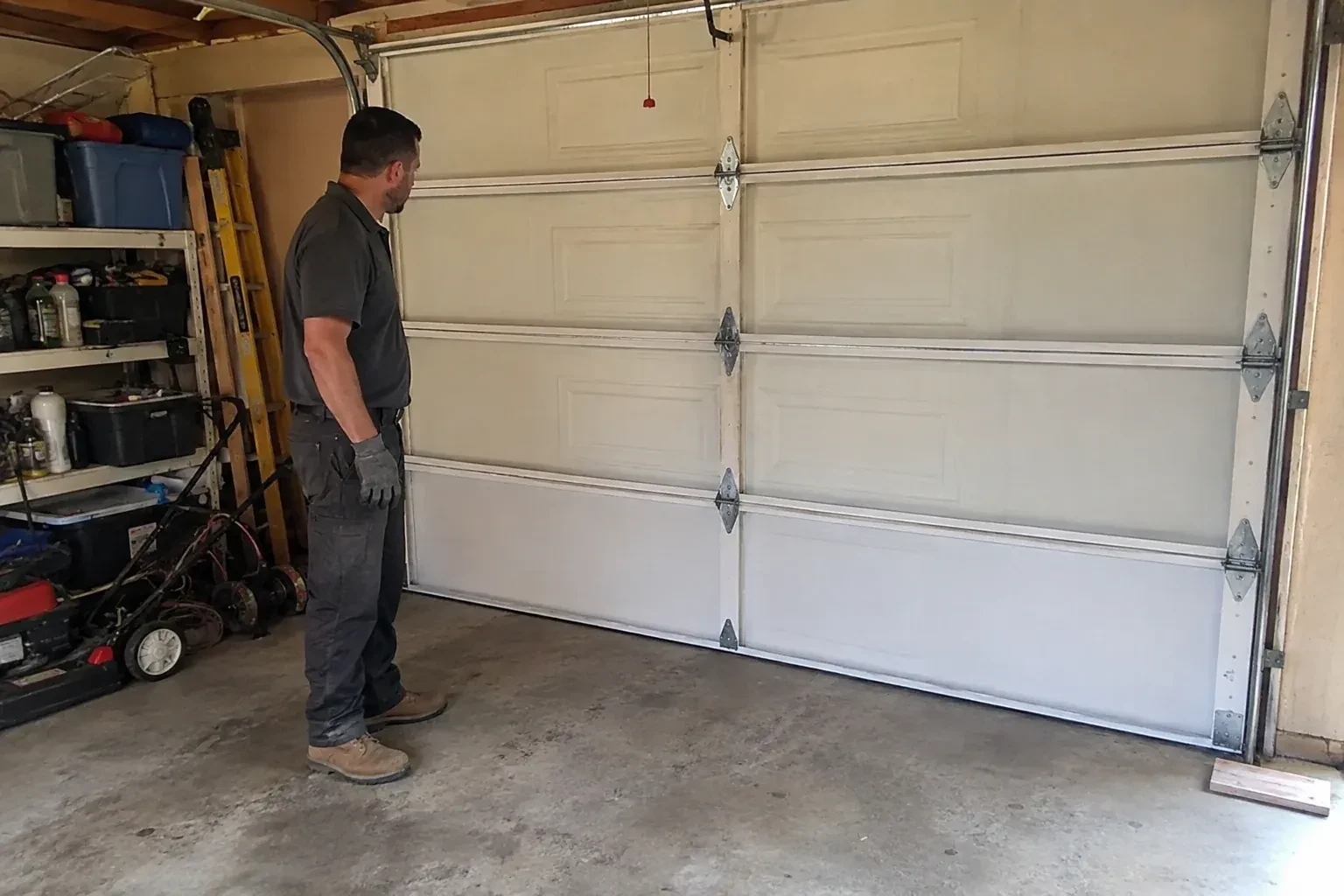
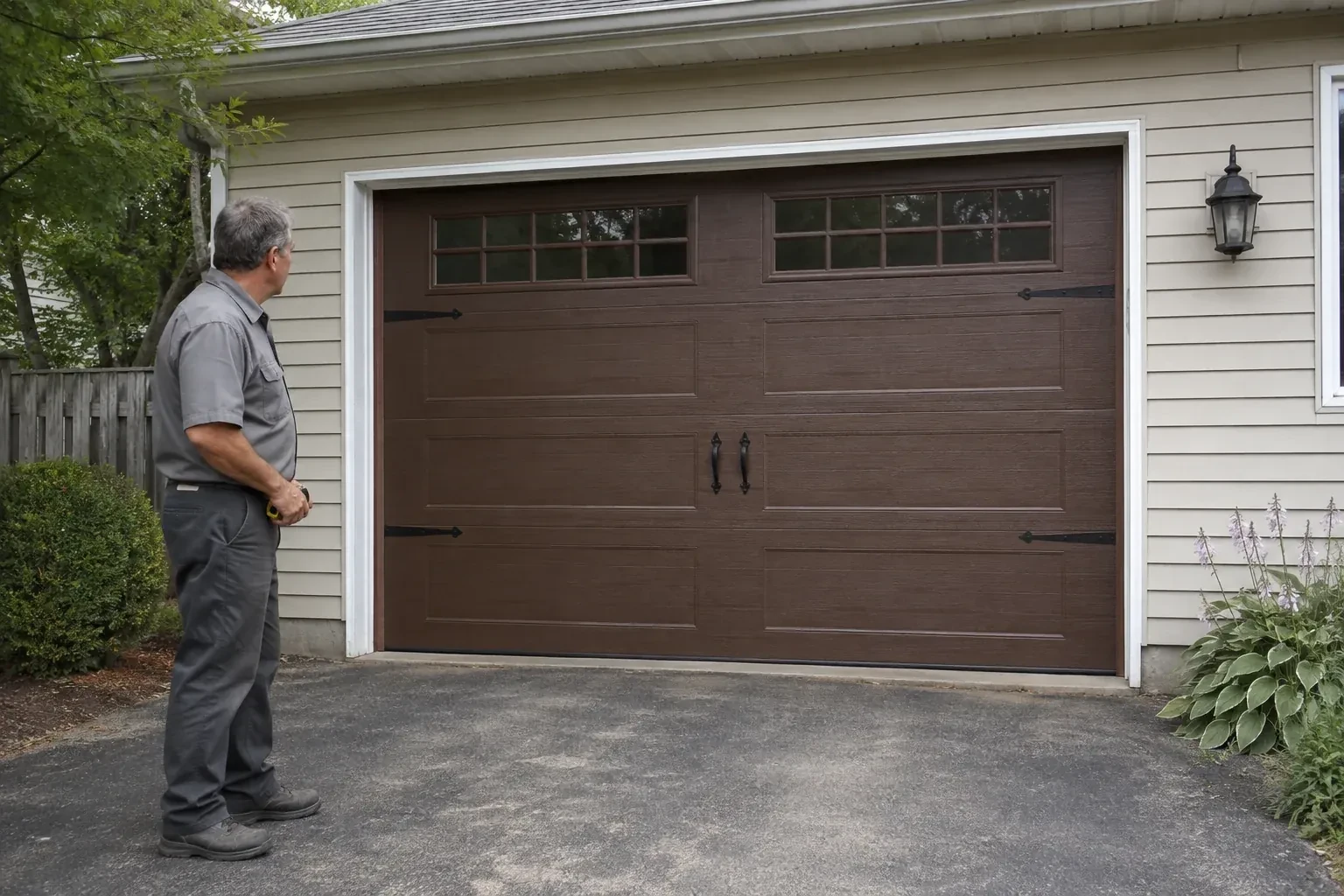
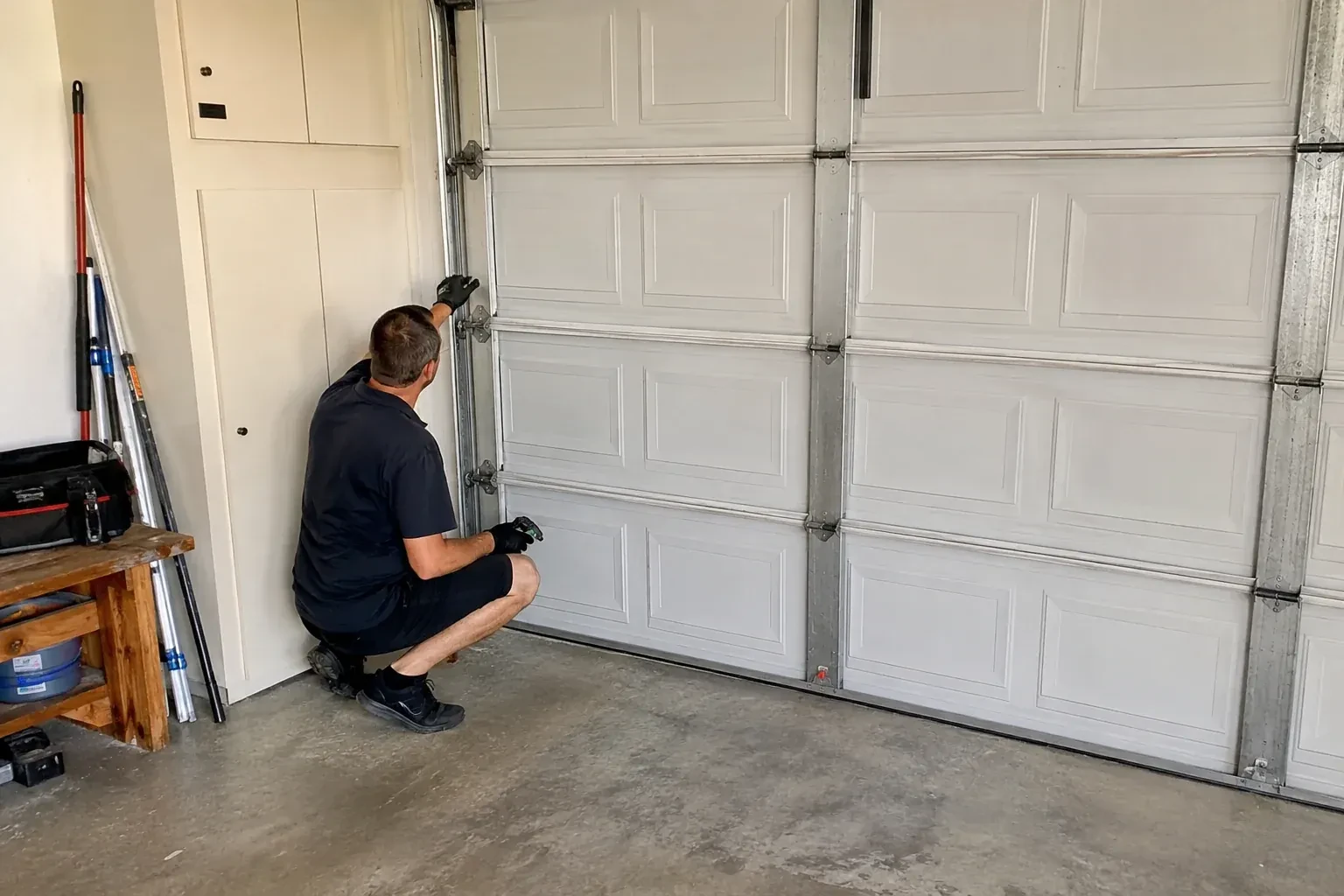
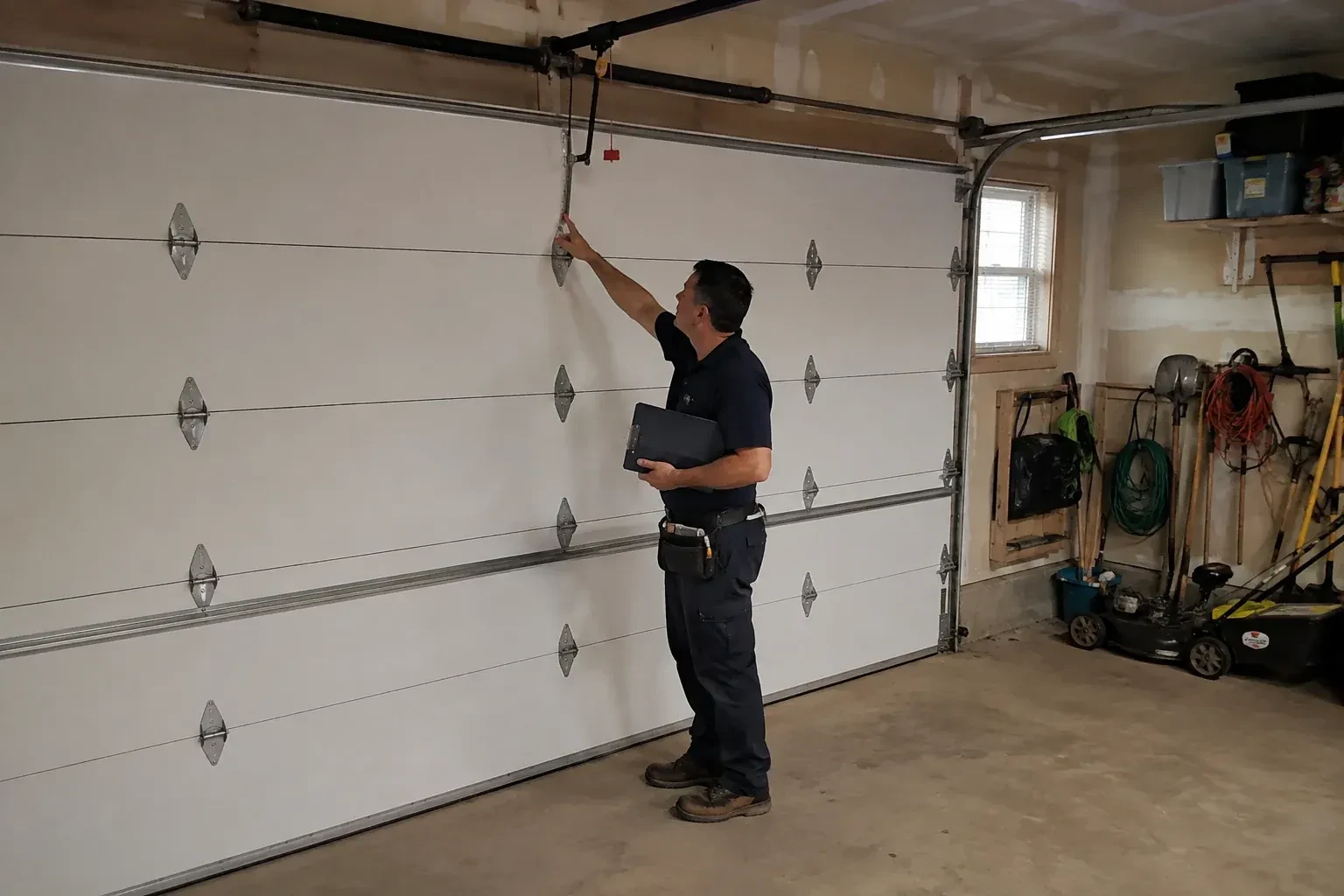
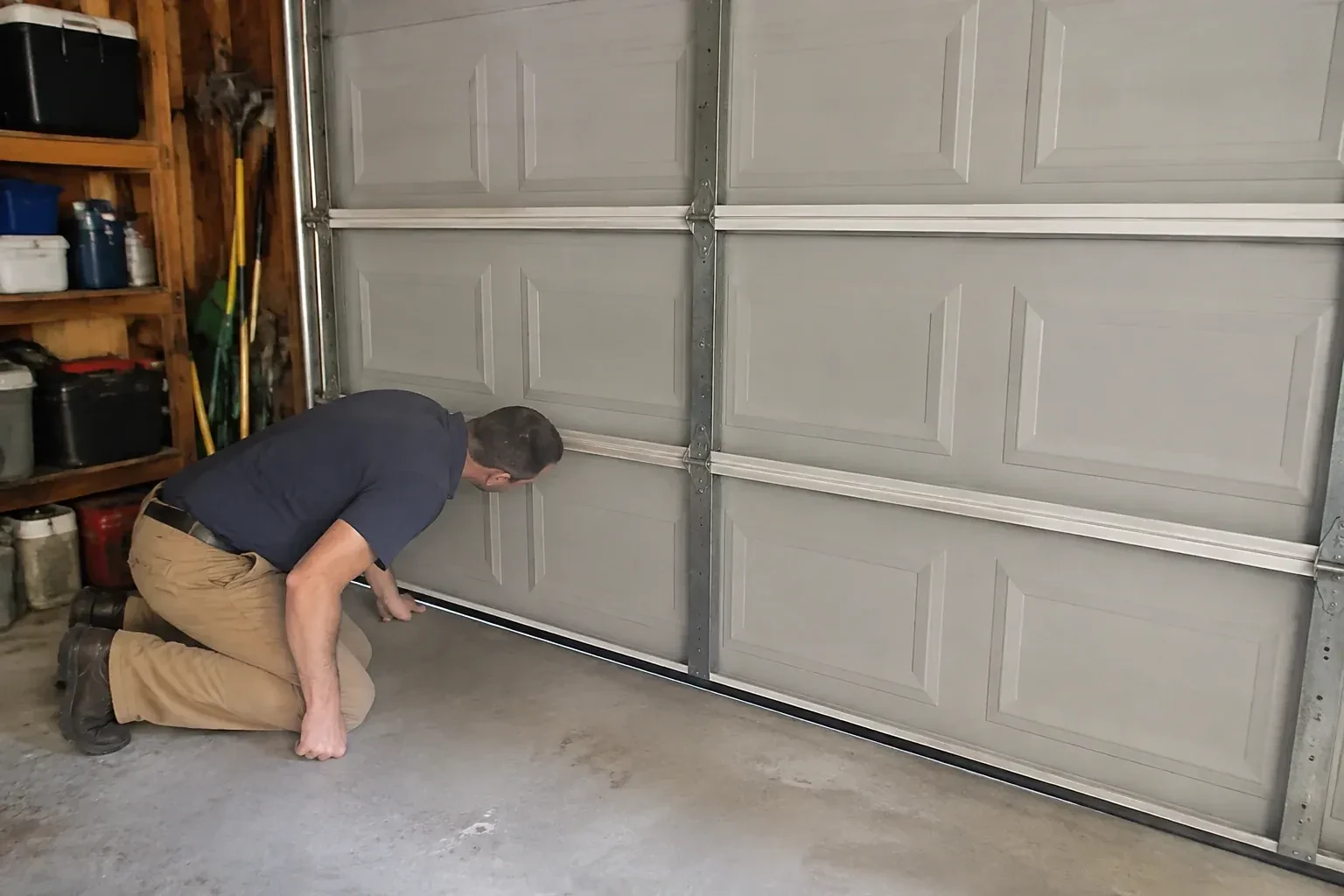
Every door in Echo Place gets a safety check as part of the visit, whatever the reason we came. Photo-eyes are aligned, the auto-reverse is tested, the balance is confirmed and the cables are inspected. If something is close to failing, you hear about it plainly, with no pressure to act that day.
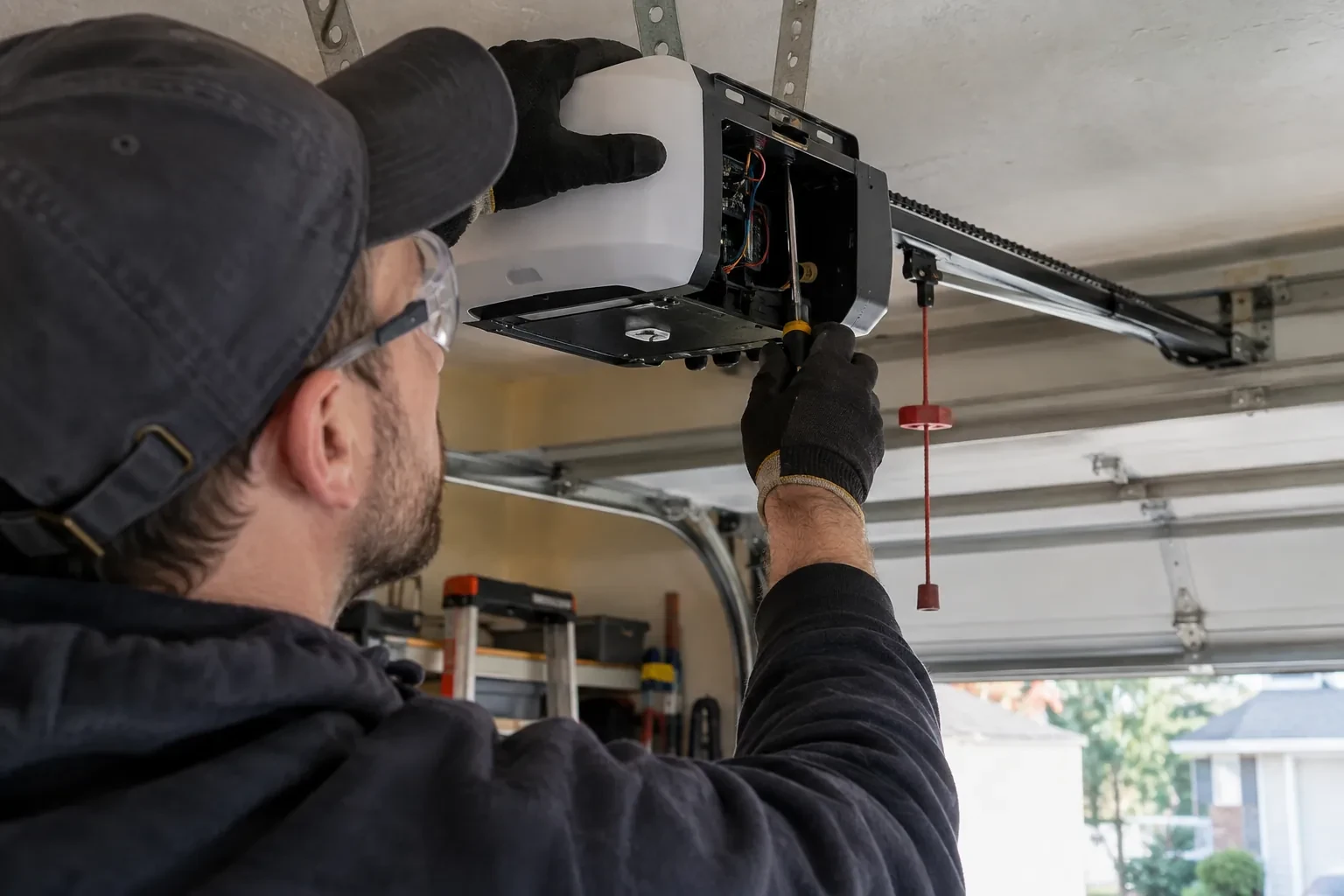
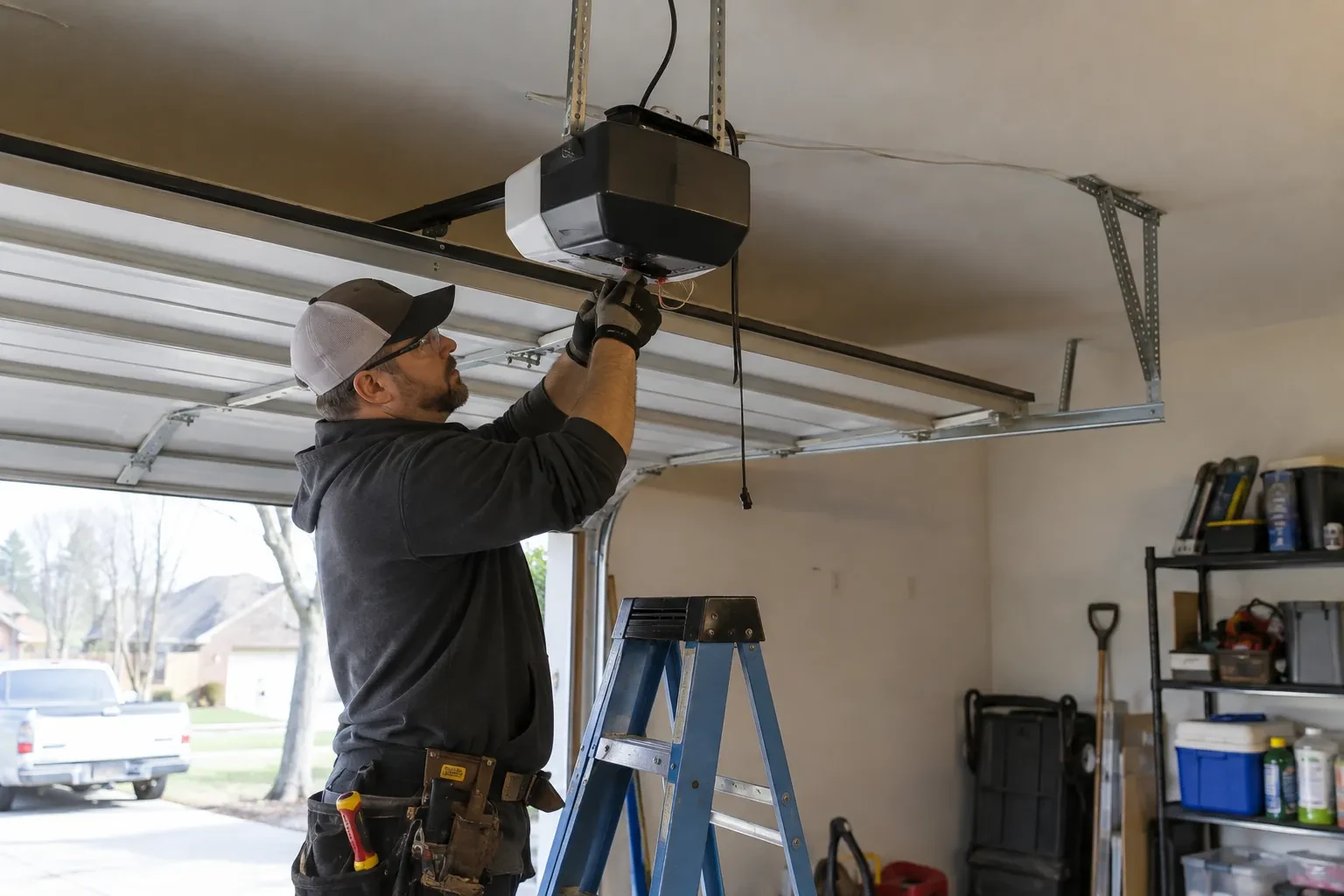
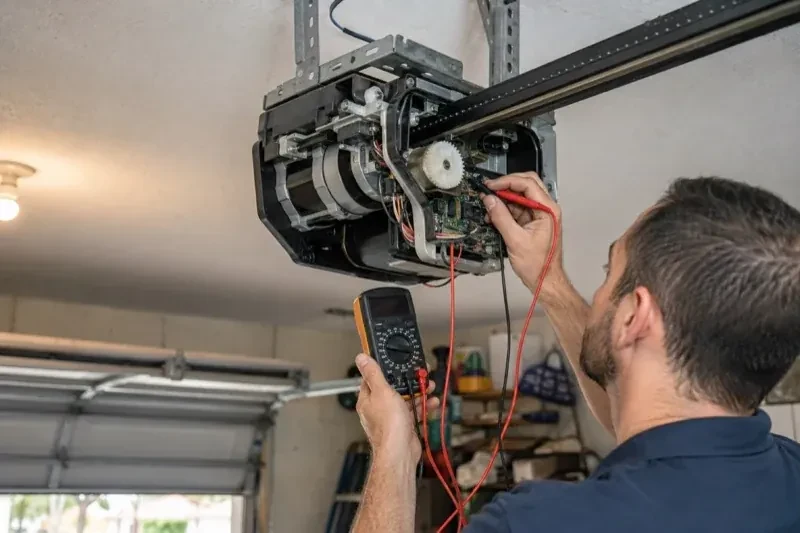
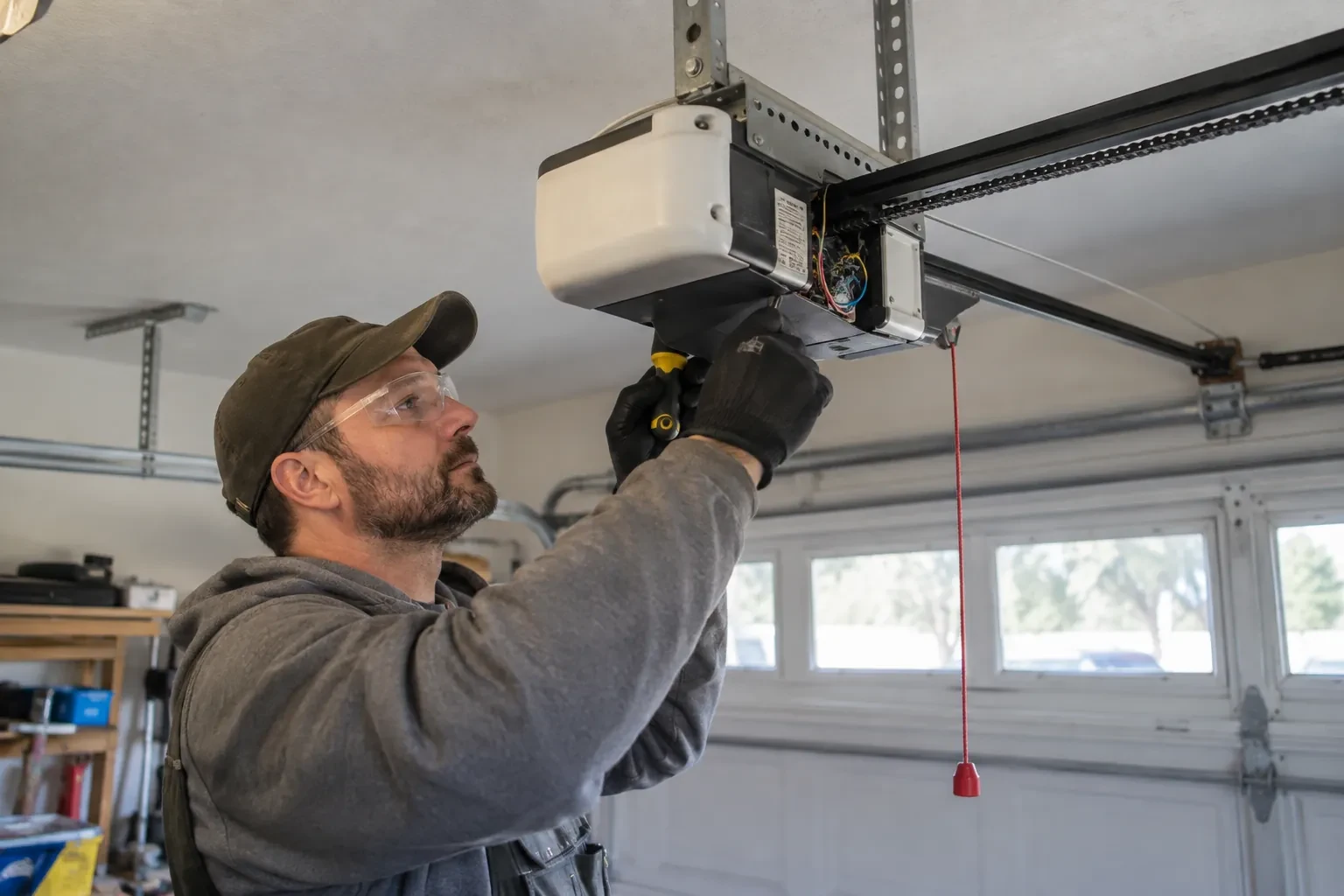
Homeowners across Echo Place call us when the remote stops answering, the keypad forgets its code or the opener hums without lifting. We work through the system in order, from power to logic board to travel limits to sensors, and explain each part as we go. New openers are installed and fully set up, with every remote and keypad working before the technician leaves.
13years in business
24/7open every day
Explained on the spot. As each part is checked, the technician tells you what it shows and what it means for the door as a whole.
Tidiness as standard. Old springs, cables and packaging leave with us, and the workspace is swept. A clean finish is part of every visit.
Options at your pace. Hear the choices, ask your questions, take the time you need. The work starts when you say so and not before.
Broken spring, snapped cable, door off the track, opener humming but not lifting, remote lost, seal cracked, panel dented, door too loud for the bedroom above: those are the calls we take from Echo Place, and each has its own service page explaining how we handle it.
About 63% of homes in Brantford were built in 1980 or earlier, according to the 2021 Census.
Older homes
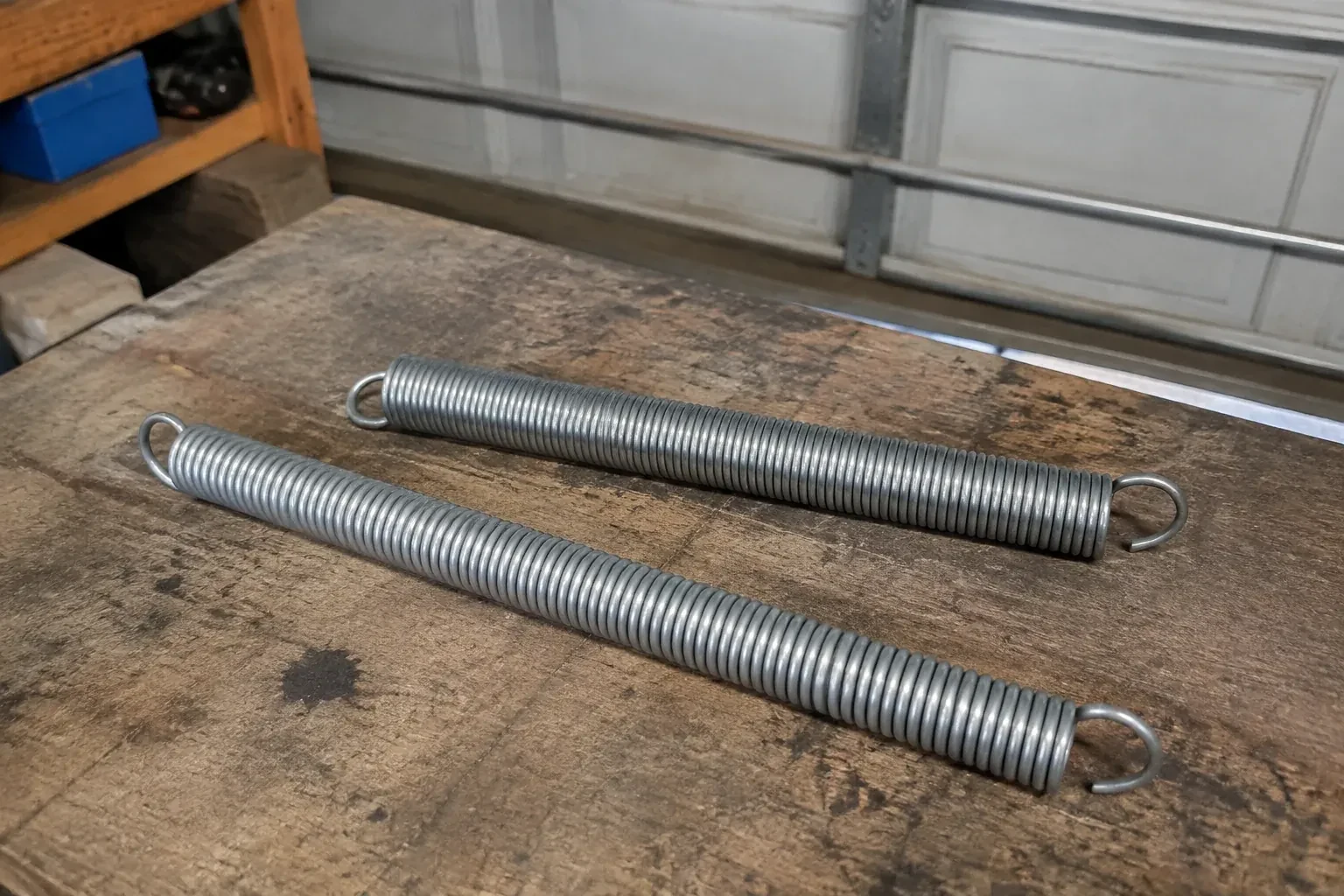
Extension springs are common on older doors, and they should carry a safety cable through the middle so a broken spring is held rather than flung. Adding those cables is a small job the technician checks for and offers on any older door he services.
Single-detached houses make up about 61% of homes in Brantford (2021 Census).
Mostly houses
Where most homes are single-detached, nearly every property has its own garage door and its own opener, and the homeowner makes every decision about it. That makes for straightforward visits: one door, one owner, and a repair or replacement chosen at the house without anyone else to consult.
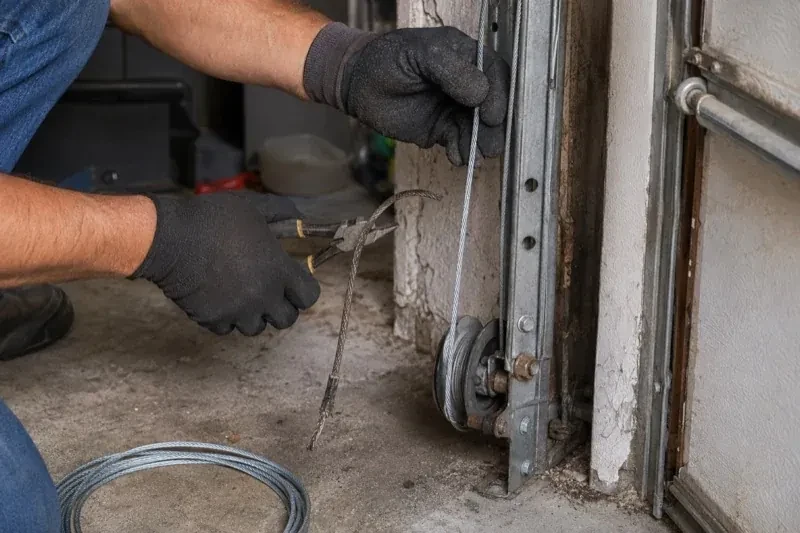
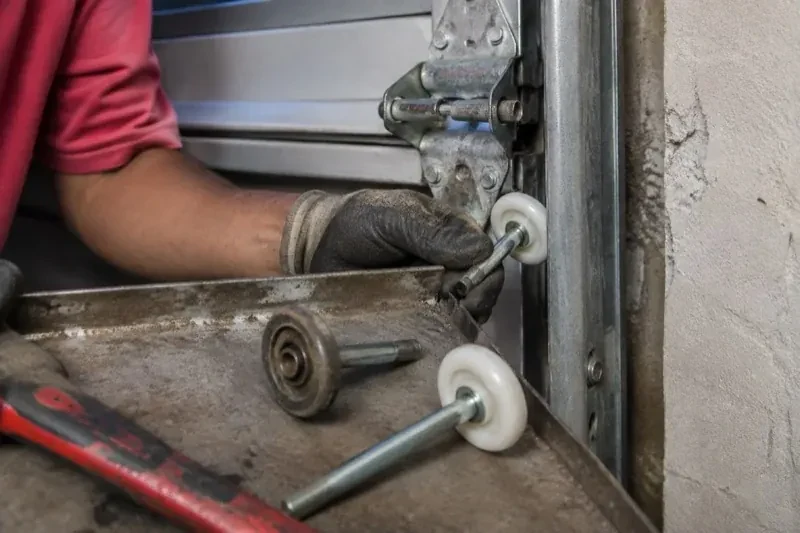
When a cable jumps its drum, the door tilts and jams in the track. Putting it back is only half the job: we look for the slack, the worn roller or the frozen seal that caused it, so it stays on.
The chain in the detached garage went orange with rust over the winter, the links are stiff, and the opener strains and groans to pull the door up. By afternoon, once the garage warms, it behaves almost normally.
It is minus twenty in the detached garage and the door climbs in jerks, the belt stiff as a board. By the afternoon, when the sun has been on the door, it runs almost normally again.
The bedroom above the garage shakes every morning at six when the chain drive fires up. Everyone in the house knows the moment someone leaves for work.
The new car has three buttons in the mirror for garage doors. You held the old remote up to it as the manual said, the light in the car changed, and yet the door ignores it completely.
It is February. You come down in the morning and the garage door has stood open all night; the car is frosted inside, the furnace has run without a pause, and the pipe in the shared wall is your first worry.
The power went out in the middle of an ice storm, the car is inside, and when you reach up for the red handle there is nothing there. A frayed stub of cord hangs from the trolley, well above your fingertips, and the door sits shut.
Which fix fits?
Rust has crept along the bottom edge of the lowest section.
WhyWhat you get back is a door that runs its full height without a catch, hesitation or bang, with every roller seated in its channel and both sides rising together.
Standing inside with the door closed, you notice the cable on the right side near the floor has gone fuzzy.
WhyThe most useful thing to know about a new opener is how little lifting it does.
The house came with a controller already screwed to the garage ceiling and a sensor on the door, but the app insists the device belongs to another account.
WhyThe useful decision is not simply repair versus replacement; it is which path fits the identified curtain, structure, duty and operating system.
An entrance. Not an afterthought.
1/10Garage Door Panel Replacement
Rust has crept along the bottom edge of the lowest section. What began as bubbling paint is now a soft, flaking strip, the seal retainer is working loose, and a screwdriver pressed against the worst spot goes through the steel.
Backing out this morning, the mirror caught the track beside the door. Now there is a crease in the steel at about knee height, and the door stops with a bang every time a roller reaches it.
Standing inside with the door closed, you notice the cable on the right side near the floor has gone fuzzy. A handful of broken wires stick out like a bottle brush and the steel underneath is brown.
The motor runs, you can hear it working, but the door never moves. When you look up, the sprocket on top of the head is barely turning, and there is a little drift of pale plastic dust on the cover.
Press the button and the motor hums, but the door stays exactly where it is. Under the housing there is a dusting of white plastic shavings, the sign of a stripped drive gear, and this is the second time it has happened.
The house came with a controller already screwed to the garage ceiling and a sensor on the door, but the app insists the device belongs to another account. The seller has moved provinces, the emails go unanswered, and every evening the door still reports to a stranger's phone.
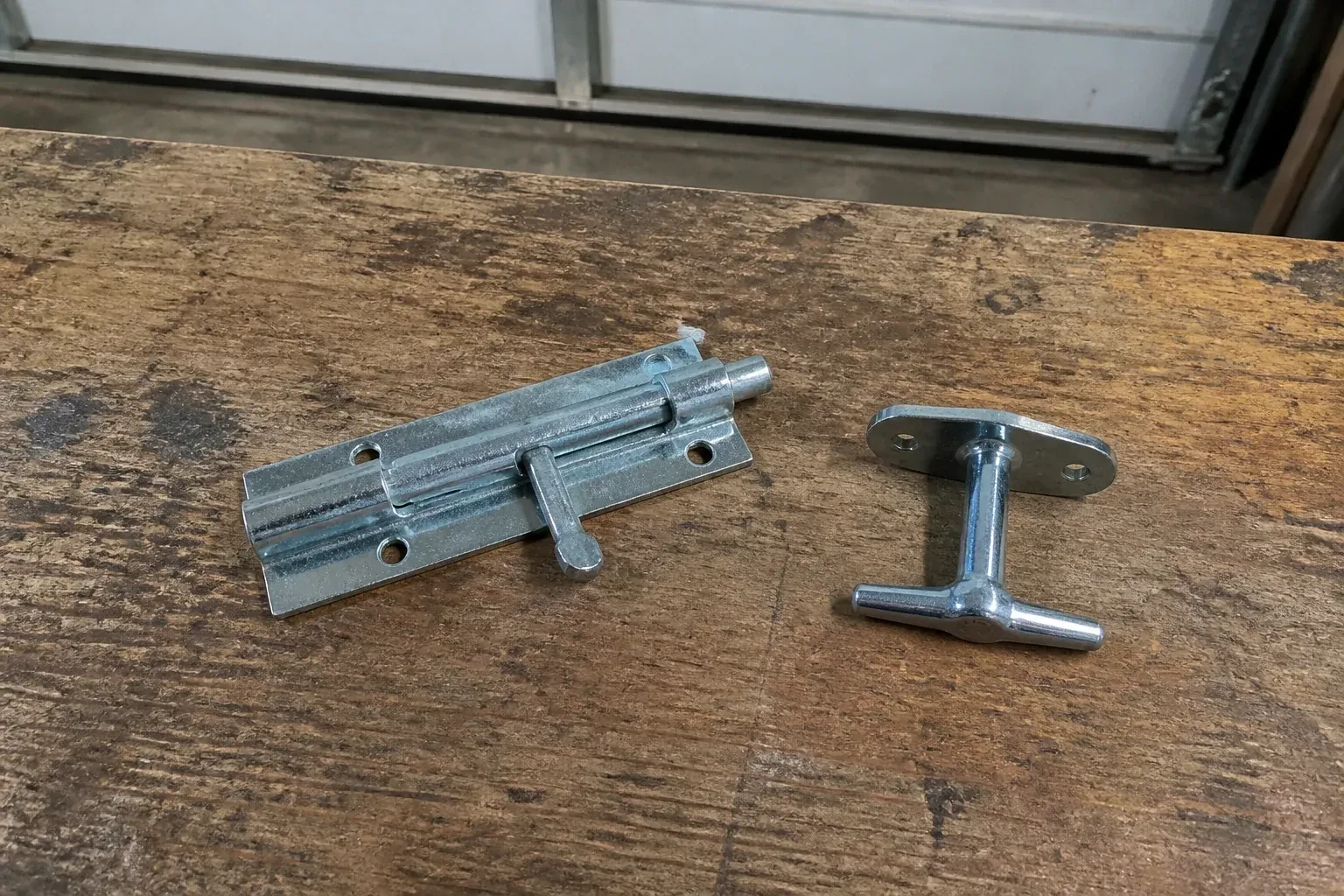
It is the coldest morning of the year. A week of slush and road salt has crusted over the outside release lock, the key will not seat, and the opener inside is silent after the overnight outage. The car sits behind a door that will not move.
The garage feels dim whenever the overhead door is closed. You want a row of well-positioned windows that introduces daylight, protects privacy and fits naturally into a carriage-inspired panel layout.
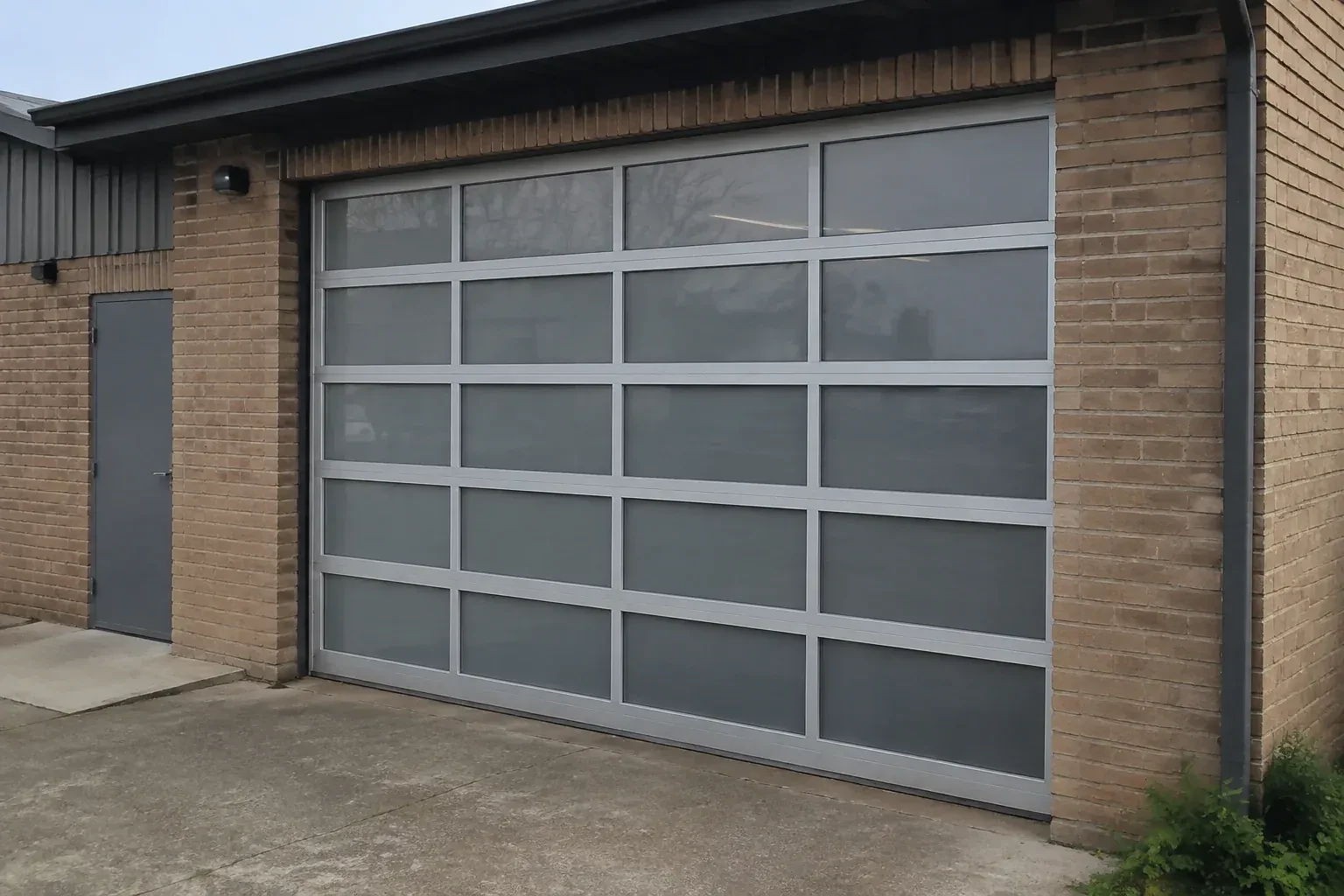
Your renovation has given the house clean modern lines, but the old raised-panel garage door now looks out of place. You want broad glass panels and a slim dark frame to complete the exterior.
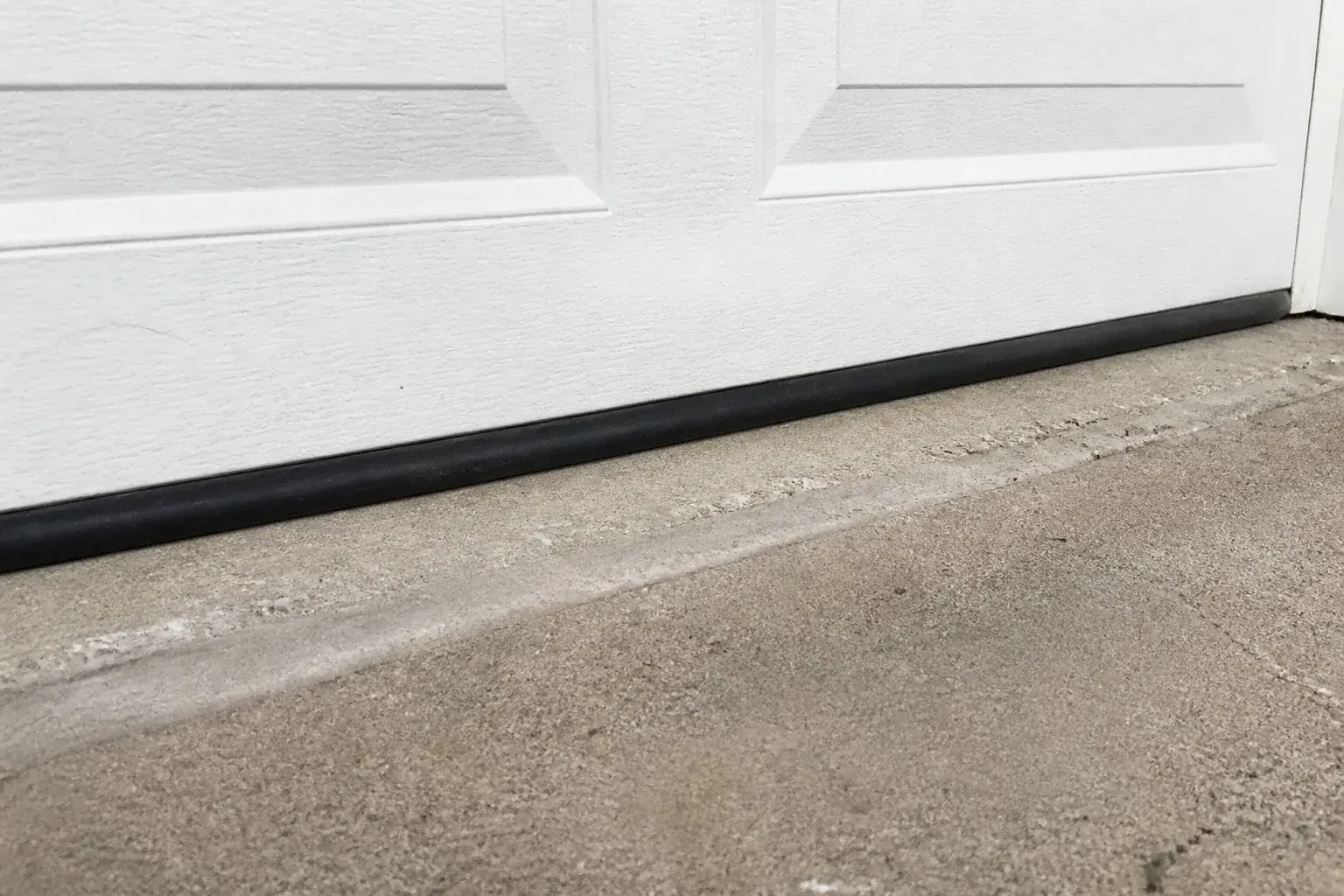
Cold-weather moisture has frozen the bottom seal to the sill, and salty grit has collected along the guide entrances. The door chatters during its first cycle and leaves a visible gap after it reaches the closed limit.
How should I look after the door after the section is replaced?
A little routine goes a long way. Each month, look along the hinges for loose screws, spin the rollers, and check the door's balance by lifting it by hand with the opener disconnected. Twice a year, apply a light garage-door lubricant to hinge pivots, roller stems and springs, and keep the tracks clean and dry. Rinse salt off the lower sections in spring, touch up chips, and keep the bottom seal clear of ice in winter.
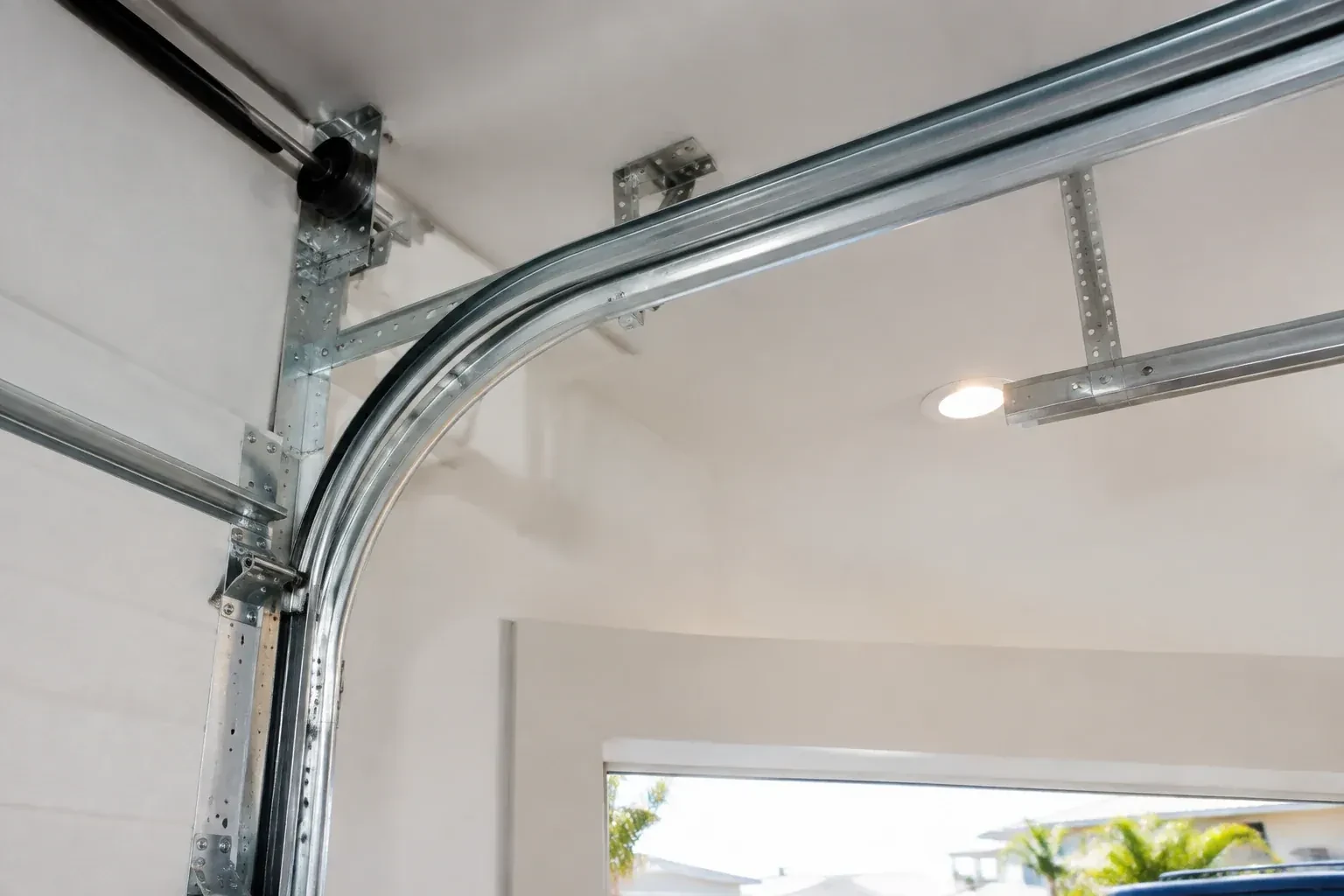
What does track radius mean, and does it matter for a replacement piece?
The radius is the size of the curve where the track turns from vertical to horizontal, typically 12 or 15 inches on two-inch residential track. It fixes how high the door climbs before it turns and how much headroom is needed, and the cable drums and spring setup are chosen around it. A replacement curve has to match the other side, otherwise the door meets the horizontal run at different heights and twists as it opens.
What information helps when I call?
Whether the door is sitting crooked, jammed partway or on the floor; whether you can see a cable hanging loose, frayed or wrapped around the shaft; whether there is a spring above the door or springs along the tracks; the door's rough height and whether it is a single or double; and what happened just before, such as the door coming down on something. A photo of the drum end and the bottom corner is useful.
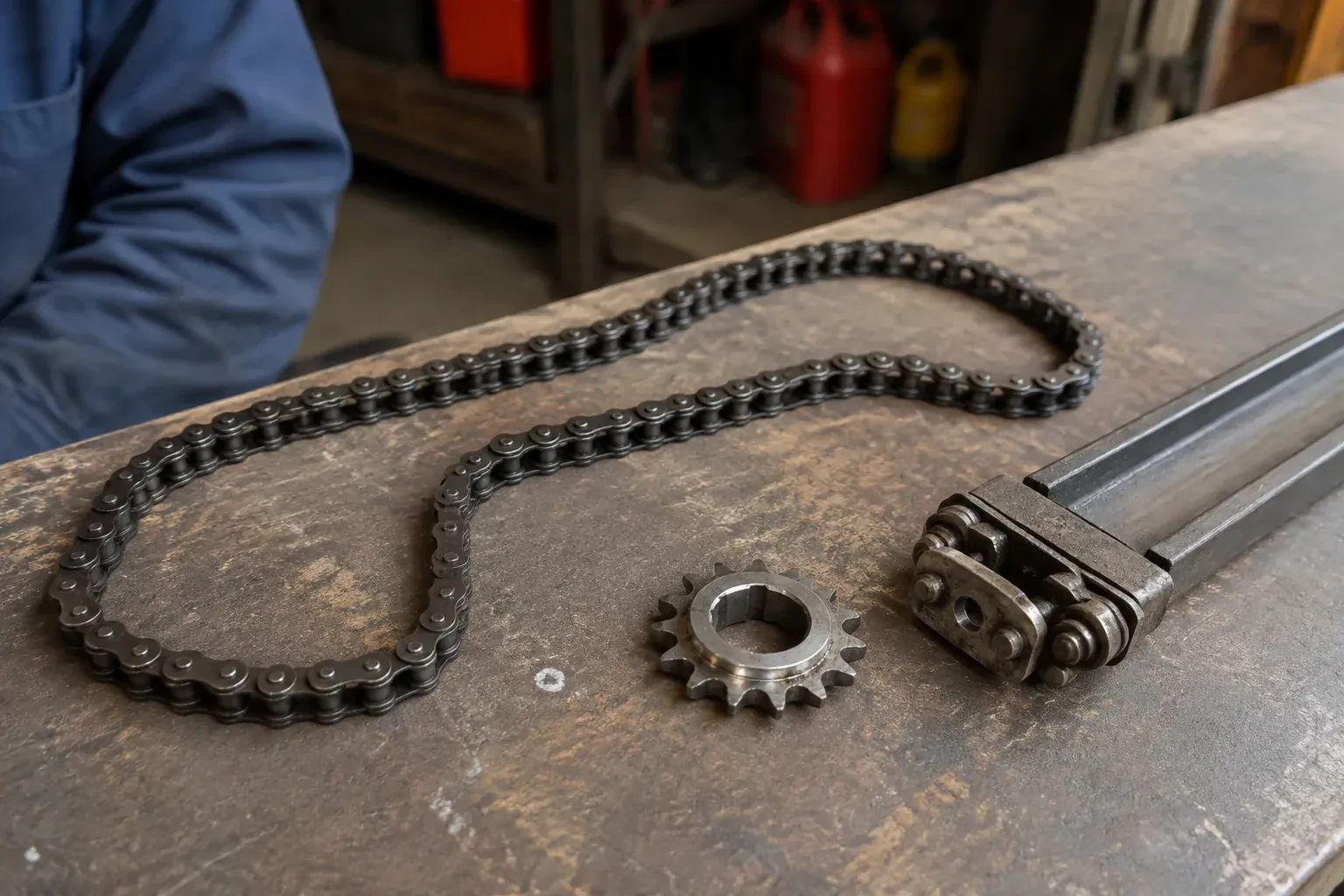
What does the sprocket do, and how does it wear?
The sprocket is the toothed wheel on top of the motor head that pulls the chain. Every cycle drags the chain over its teeth, and over years the teeth wear thin and hooked, letting the chain ride up and skip under load, often at the same point on the rail each time. A sprocket that has loosened on its shaft lags behind the motor. Worn sprockets are replaced as part of the gear and sprocket assembly.
Will a new opener make the door quieter?
A belt or direct drive with a soft-start DC motor removes most of the operator's own noise, and a level, well-tensioned rail removes the rattle. The door contributes its own sound through rollers, hinges and springs, so the technician looks those over during the balance check and can fit nylon rollers or fresh hinges at the same time. Together the two changes turn a morning rumble into a hum.
Where does the door sensor go, and what does it do?
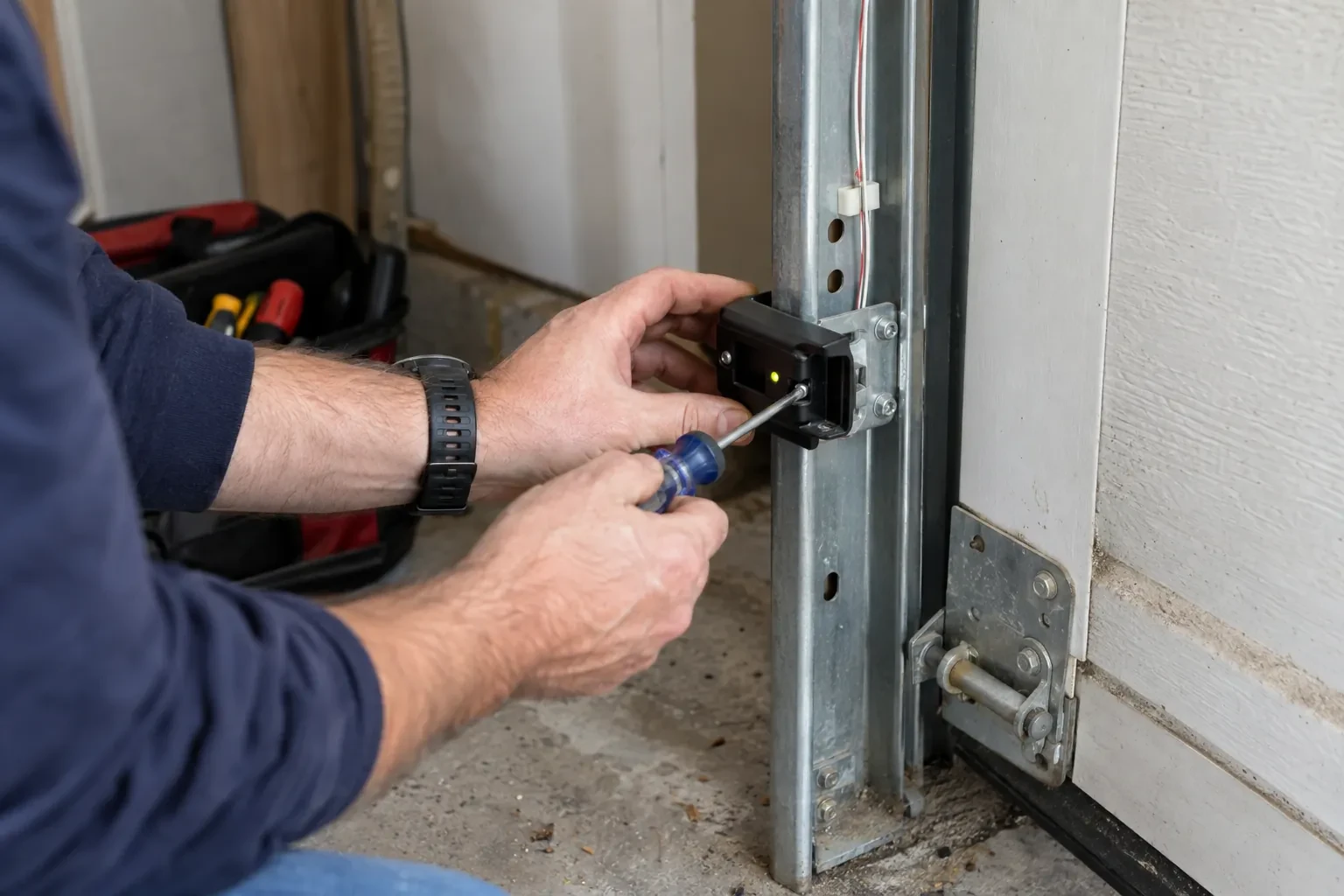
It screws to the inside of the top door section and senses tilt: that panel stands vertical when the door is closed and lies horizontal once the door is open, and the sensor reports the change to the hub by short-range radio. It is placed clear of the opener arm, lock bar and handles, on a flat part of the panel, then paired and proven through full cycles under the maker's own setup procedure so the status in the app is reliable.
Where should I grip the door when lifting it by hand?
Use the door's own handles or the gripping points built into the panel face, on the inside and outside of the door. Sectional doors are meant to have them near the bottom section and again on the second or third section. Never take hold at the joint between two sections, which closes as the door bends around the track. If your door has no handles or they have been removed, the technician can fit a pair during the visit.
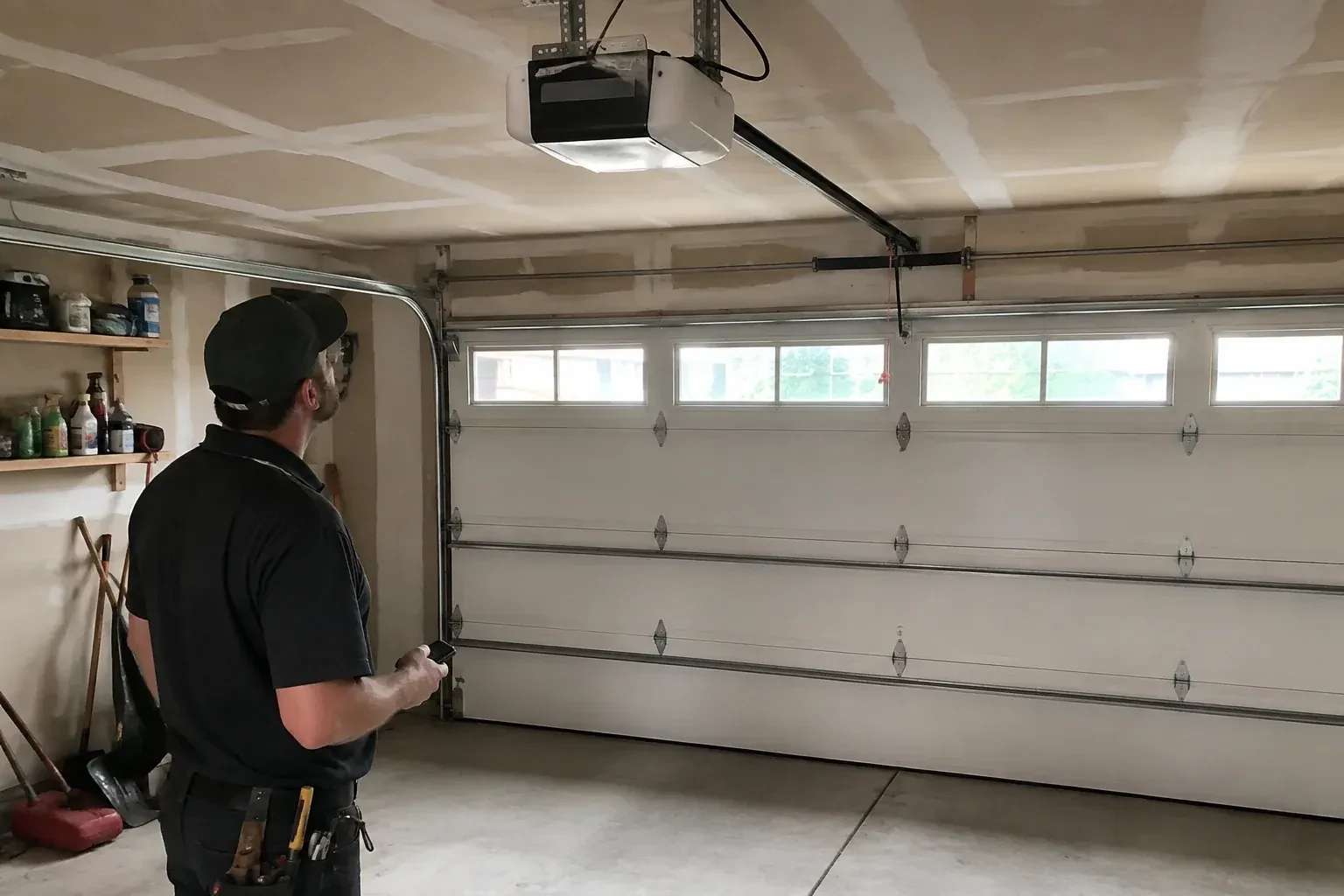
Which opener safety checks are completed after installation?
The technician confirms that photo eyes are aligned and respond when their beam is interrupted during closing. Contact reversal is tested according to the opener instructions, and open and closed travel limits are reviewed. Wall controls, remotes and the manual release are also operated. These checks connect the automatic equipment to the new door's actual movement instead of carrying forward former settings.
Can the new door use my existing tracks?
The tracks are assessed as part of the new assembly, not treated as universal rails. Section thickness, finished weight, roller geometry, track radius, required headroom and opener placement all affect compatibility. A full-view installation normally uses the track specified for that door configuration, giving the rollers and hinged sections a path designed around their dimensions and load.
Can guide damage be straightened instead of replaced?
Some local bends can be corrected when the guide retains its strength, fastening points and required profile. Creased, torn, heavily corroded or repeatedly struck sections may call for compatible replacement. The choice also depends on guide gap, endlock or windlock arrangement, mounting construction and whether the door is part of a labelled fire-protection assembly.
Request a visit
Every door in Echo Place gets a safety check as part of the visit, whatever the reason we came. Photo-eyes are aligned, the auto-reverse is tested, the balance is confirmed and the cables are inspected. If something is close to failing, you hear about it plainly, with no pressure to act that day.